


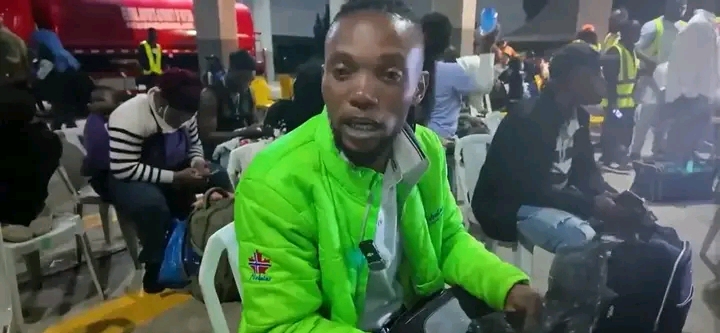
“Nigerian Survivor Recounts Fleeing South Africa After Repeated Xenophobic Attacks, Says He Left Without His Children”
A Nigerian man has shared a deeply personal account of fleeing South Africa without his children after surviving three separate xenophobic attacks that allegedly destroyed his businesses and forced him to abandon his life in the country.
The emotional testimony, which has gained widespread attention on social media and news platforms, highlights the lasting human cost of xenophobic violence that has periodically affected foreign nationals living in South Africa.
According to the man, repeated attacks targeted his businesses, leaving him financially devastated and fearing for his life. He said the escalating insecurity eventually compelled him to leave South Africa, making the painful decision to escape without his children in order to survive.
Although his individual account has not been independently verified by Sele Media Africa, it echoes the experiences reported by many African migrants over the years during outbreaks of anti-foreigner violence in South Africa.
South Africa has witnessed several waves of xenophobic attacks since 2008, with migrants from Nigeria, Zimbabwe, Somalia, Ethiopia, Mozambique and other African countries frequently among those affected. These incidents have resulted in deaths, injuries, destruction of businesses and displacement, prompting repeated diplomatic engagement between African governments and South African authorities.
The Nigerian government has, on several occasions, evacuated citizens following major outbreaks of xenophobic violence, while calling on South African authorities to strengthen the protection of foreign nationals and prosecute those responsible for attacks.
Successive South African administrations have condemned xenophobic violence, stressing that criminal acts against foreign nationals are unacceptable and undermine the country’s constitutional values. Authorities have also maintained that law enforcement agencies continue to investigate incidents of violence and public disorder whenever they occur.
The latest testimony has renewed conversations across Africa about migrant safety, regional integration and the need for stronger protections for Africans living and working outside their home countries. Human rights advocates argue that sustained public education, economic inclusion and effective law enforcement remain critical to preventing future attacks.
As discussions continue, the survivor’s account serves as another reminder of the personal trauma and difficult choices many victims of xenophobic violence have faced across the continent.