


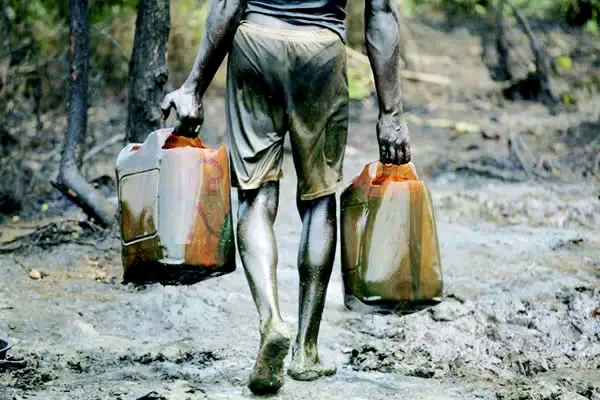
“Nigeria’s Crude Oil Theft Crisis: Economic Losses Mount as Calls Intensify for Permanent Pipeline Security Reform”
Nigeria continues to grapple with one of its most persistent economic challenges large scale crude oil theft an issue that has significantly undermined national revenue, weakened energy production capacity, and stalled key development programmes.
For years, illegal tapping of pipelines and coordinated sabotage of oil infrastructure have resulted in substantial losses to Africa’s largest oil producer. Industry stakeholders estimate that hundreds of thousands of barrels of crude oil are diverted daily or lost through illicit operations, depriving the government of critical income needed for infrastructure, healthcare, and economic diversification.
The impact of these activities has been far reaching. Reduced oil output has contributed to fiscal pressure on the national budget, while also affecting foreign exchange earnings in an economy heavily dependent on petroleum exports. Security agencies and oil companies have repeatedly reported disruptions across key production corridors, particularly in the Niger Delta region, where most of Nigeria’s oil infrastructure is concentrated.
In response, the federal government and security forces have intensified surveillance operations, pipeline monitoring contracts, and community engagement strategies aimed at curbing the menace. However, experts argue that the persistence of oil theft reflects deeper structural issues, including weak enforcement mechanisms, corruption risks, and inadequate community development in oil producing areas.
International and local media organizations, including Reuters, BBC News, Al Jazeera, Bloomberg, The Guardian Nigeria, and The Punch, have consistently reported on Nigeria’s ongoing struggle with crude oil theft and its implications for national revenue and global energy markets.
As Nigeria seeks to stabilize production and strengthen economic resilience, analysts continue to emphasize that lasting solutions will require not only enhanced security but also transparent governance of the oil sector and meaningful investment in affected host communities.