

Nigeria’s power sector is facing a severe crisis, with the country’s average electricity generation standing at 4,300 megawatts (MW), far below the available generation capacity of 15,500MW. This shortfall of 11,200MW has left millions of Nigerians without reliable access to electricity.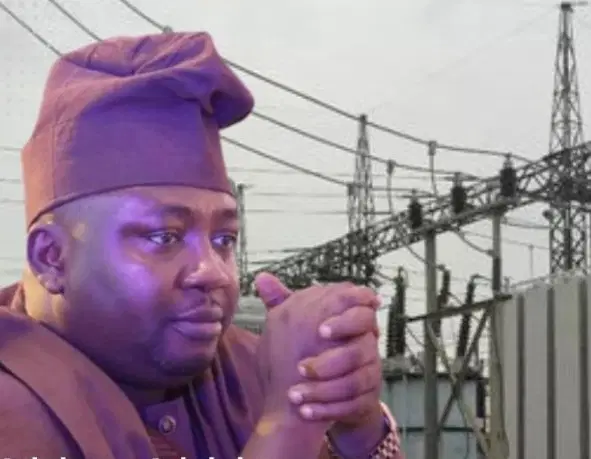

The sector’s problems are multifaceted, with inadequate gas deliveries to generation companies, aging infrastructure, and a debilitating debt crisis. The Nigerian Independent System Operator (NISO) attributes the low generation capacity to gas supply constraints, with thermal plants receiving only 43% of their daily gas requirements.
The power sector debt has ballooned to N6.8 trillion, with Generation Companies (GENCOs) calling for urgent structural reforms to address the issue. The Federal Government’s recent settlement offer of N2.8 trillion has been rejected by GENCOs, citing inaccuracies in the computation.
Experts argue that policy inconsistencies, regulatory lapses, and corruption have hindered the sector’s growth. The government’s decision to move the Aso Rock Presidential Villa off the national grid has sparked concerns about the future of the power sector.