


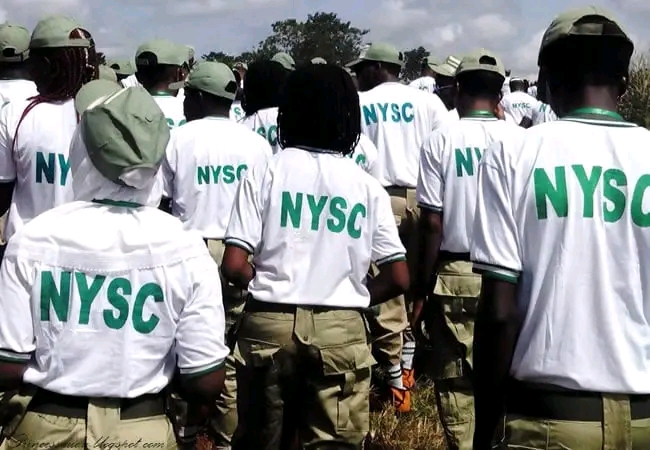
“NYSC Mobilisation Crisis: Thousands of Nigerian Polytechnic Graduates Stranded as Service Year Delays Stall Careers”
Thousands of Nigerian polytechnic graduates are facing growing uncertainty and career disruption following persistent delays in mobilisation for the National Youth Service Corps (NYSC), a mandatory one-year national service required for many employment and career opportunities across the country.
The prolonged delay has left affected graduates unable to secure formal employment, pursue certain government opportunities, or advance academically, as NYSC participation remains a key requirement for public sector recruitment and several private-sector roles in Nigeria. Many graduates say they have waited months and in some cases over a year after completing their Higher National Diploma (HND) programmes without being successfully mobilized.
Institutional Bottlenecks and Verification Challenges
Education stakeholders attribute the crisis to a combination of institutional verification issues, limited mobilisation quotas, and administrative bottlenecks between polytechnics, regulatory bodies, and NYSC authorities. Central among the concerns are delays in uploading graduates’ academic records onto the NYSC portal and challenges linked to accreditation status and documentation verification.
Officials within tertiary institutions have noted that discrepancies in graduate data submissions and slow processing timelines between schools and regulatory agencies often result in eligible candidates being excluded from mobilisation batches. Polytechnic administrators also point to increased graduate output without a corresponding expansion in NYSC capacity.
Analysts say the problem reflects broader structural challenges within Nigeria’s tertiary education coordination system, particularly the integration of polytechnic graduates into national workforce planning frameworks.
Economic and Social Impact on Graduates
For many affected graduates, the delay carries significant financial and psychological consequences. Without an NYSC discharge or exemption certificate, applicants are frequently disqualified from job openings, internships, and postgraduate admissions. This has intensified youth unemployment pressures at a time when Nigeria is already grappling with high graduate joblessness.
Some graduates report losing employment offers due to the absence of NYSC certification, while others remain dependent on informal work as they await mobilisation updates. Youth advocacy groups warn that continued delays risk widening inequality between university and polytechnic graduates, raising concerns about fairness within the national education system.
Calls for Reform and Policy Response
Education experts and civil society organisations are urging stronger coordination between the NYSC, the National Board for Technical Education (NBTE), and tertiary institutions to streamline graduate verification processes. Recommendations include digital record harmonisation, transparent mobilisation timelines, and expanded NYSC intake capacity to reflect rising graduate numbers nationwide.
Policy analysts argue that resolving mobilisation delays is essential not only for affected graduates but also for Nigeria’s broader workforce development goals, noting that technical education plays a critical role in industrial growth and skills development across Africa.
As frustration grows among waiting graduates, stakeholders say urgent reforms are needed to restore confidence in the NYSC system and ensure equitable treatment for all Nigerian tertiary institution alumni.