


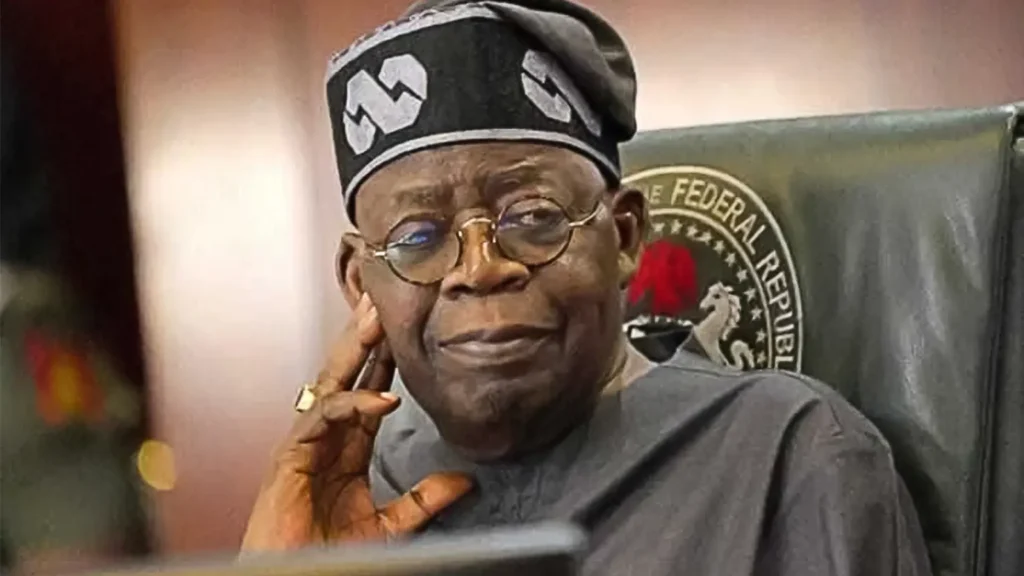
A coalition of Ogoni youth groups has called on President Bola Tinubu and the Federal Government to immediately begin implementing 20 recommendations arising from the Ogoni dialogue process, insisting that the proposed creation of Bori State must feature prominently in the implementation roadmap.
The Coalition of Ogoni Youth Groups (COYOG) also demanded a formal commitment from the Federal Government, warning against attempts by politicians, influential individuals and vested interests to take control of the dialogue process for personal, political or economic gains.
In a statement jointly signed by 17 youth leaders, the coalition maintained that the Ogoni dialogue represents a collective struggle for justice, environmental restoration, political inclusion, resource control and sustainable development.
It argued that the outcome of the process must reflect the collective aspirations of Ogoni people rather than the interests of a few individuals.
COYOG urged the Federal Government to provide a documented commitment through an interim Memorandum of Understanding (MoU), outlining implementation timelines, funding arrangements, institutional responsibilities, monitoring mechanisms and public reporting obligations.
The group also called on Tinubu to establish a representative Presidential Implementation Committee with a clearly defined mandate, measurable targets and sufficient authority to coordinate the execution of the recommendations.
According to the coalition, the recommendations must not be reduced to political promises or ceremonial declarations without concrete actions.
A major concern raised by the coalition is the creation of Bori State, which it described as fundamental to addressing political exclusion, improving representation and ensuring administrative accessibility for the Ogoni people.
The group urged the Federal Government and relevant constitutional institutions to identify the appropriate constitutional process for considering the proposed state.
It warned that the demand must not be ignored, indefinitely postponed or used as a bargaining instrument by political interests.
COYOG maintained that any genuine effort to address the Ogoni question must consider the Bori State demand alongside the provisions of the Ogoni Bill of Rights and the 20 demands contained in the Dialogue Committee’s report.
The youth groups also expressed concern over reports surrounding the leadership structure of the Ogoni Dialogue Committee (ODC).
They disputed a reported recognition of Senator Olaka Wogu as the leader of the committee, insisting that he was a member of its Harmonisation Subcommittee rather than the chairman of the Central Ogoni Dialogue Committee.
The coalition identified Professor Don Baridam as the leader of the central committee and urged stakeholders to respect the established leadership structure.
It explained that the Harmonisation Subcommittee was constituted to reconcile reports and recommendations from the Tactical and Technical Committees before submitting its findings through the appropriate structure.
The group cautioned that membership of the subcommittee did not automatically confer authority to assume leadership of the central committee or independently speak on its behalf.
It also called on the dialogue committee to improve communication with Ogoni communities by providing regular updates on its harmonisation exercise, decisions reached, outstanding issues and proposed implementation roadmap.
Another issue highlighted by COYOG concerns a reported $300 million fund associated with the Ogoni process.
The coalition demanded clear and verifiable information about the source, current status, intended purpose and proposed management of the money.
It insisted that transparency and accountability must remain central to discussions involving resources intended to address issues affecting the Ogoni people.
According to the group, demands for financial accountability should not be suppressed or politicised under the guise of protecting the dialogue process.
The coalition further appealed to Ogoni political leaders, traditional rulers, community institutions, civil society organisations, women’s groups and youth organisations to remain united in protecting the collective interests of the area.
It recalled the decades of environmental degradation, political marginalisation and unmet expectations experienced by Ogoni communities, arguing that the credibility of the ongoing dialogue would ultimately depend on tangible results.
COYOG said the success of the process should be measured not by meetings held or public statements issued, but by fulfilled commitments, progress in environmental restoration, political inclusion and improvements in the living conditions of ordinary residents.
The coalition reaffirmed its commitment to peaceful advocacy, constructive engagement and democratic mobilisation, pledging to continue holding relevant institutions accountable.
It maintained that the Ogoni dialogue must remain inclusive, transparent and focused on delivering meaningful outcomes for the people.
Ogoni youth groups have urged President Tinubu to implement 20 recommendations from the Ogoni dialogue process, demanding transparency, accountability and explicit consideration of Bori State creation.