


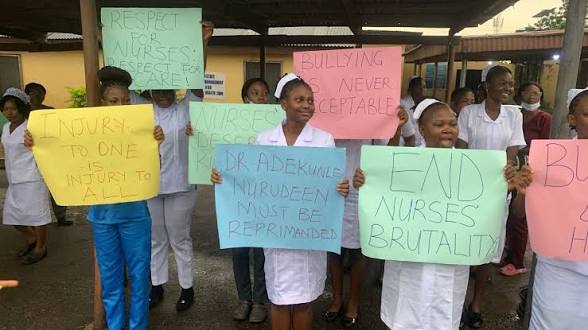
Ogun Nurses Issue 21 Day Ultimatum to Aro Neuropsychiatric Hospital Over Critical Equipment and Staffing Shortages.
Nurses at the Federal Neuropsychiatric Hospital, Aro, Abeokuta, Ogun State, have issued a 21 day ultimatum to the hospital’s management, demanding urgent improvements in medical equipment, staffing levels, essential supplies and general working conditions.
The nurses, operating under the National Association of Nigeria Nurses and Midwives (NANNM), raised the concerns during a protest over what they described as persistent deficiencies in the hospital’s facilities and working environment.
According to News reports, the association warned that the shortages were placing additional pressure on healthcare personnel and could undermine the timely, safe and effective delivery of medical services.
Nurses Highlight Shortage of Essential Medical Equipment
One of the most pressing concerns raised by the nurses is the reported shortage of basic medical equipment, with three hospital wards allegedly having to share and queue for a single blood pressure monitoring apparatus to conduct routine clinical assessments.
The association identified shortages of manual and digital blood pressure monitors, pulse oximeters, cardiac monitors, thermometers, weighing scales and glucometers among the challenges affecting daily clinical operations.
The nurses also called for adequate supplies of oxygen cylinders, emergency and resuscitation equipment, essential medicines and other materials required for effective patient care.
They stressed that a specialized healthcare facility responsible for treating patients with mental health conditions must have the equipment and resources necessary to respond promptly to medical emergencies and provide consistent clinical monitoring.
Staffing Gaps Raise Concerns About Patient Care
Beyond equipment shortages, the nurses demanded the recruitment and deployment of specialist nurses across critical service areas, including accident and emergency, perioperative care, psychiatric services, intensive care and midwifery.
They also called for an end to staffing arrangements they described as inadequate, particularly situations involving only one qualified staff member, alongside regular training and retraining programmes to strengthen professional competence.
Insufficient staffing can increase workloads, place additional pressure on healthcare workers and make it more difficult to maintain consistent standards of patient monitoring and care.
The association argued that addressing the manpower shortage would be essential to improving staff welfare, strengthening clinical services and safeguarding patients receiving treatment at the institution.
Nurses Demand Better Hospital Facilities
The association’s demands extend beyond clinical equipment and staffing to include improvements in basic hospital infrastructure.
The nurses called for reliable electricity, adequate water supply and the provision of bedspreads for patients. These, they argued, are important requirements for maintaining hygiene, supporting infection prevention and control, and ensuring a suitable environment for treatment and recovery.
They also raised concerns about the reported absence of DStv subscriptions in hospital wards for more than eight months, arguing that access to television programmes could provide recreational and diversional therapy for patients receiving psychiatric care.
Such activities can form part of a broader therapeutic environment in mental healthcare, although they do not replace professional treatment, rehabilitation or other clinically appropriate interventions.
Management Faces 21-Day Deadline
The nurses have called on the hospital’s management to address their concerns within 21 days, demanding concrete action rather than assurances.
Ojewande Oluwafemi, president of the Medical and Health Workers Union of Nigeria’s Aro branch, reportedly confirmed that his union shared the concerns behind the action and was aligned with NANNM on the ultimatum.
The development highlights the importance of constructive engagement between healthcare workers and hospital administrators, particularly in specialized institutions where inadequate resources can affect both staff performance and patient experience.
As of the reports published on October 24 and 25, the nurses’ demands remained focused on securing improvements in equipment, staffing, essential supplies and working conditions. The reports did not establish whether the hospital management had issued a formal response or announced measures to resolve the concerns.
Implications for Nigeria’s Healthcare System
The dispute at the Aro facility underscores wider questions about resource availability, workforce capacity and the quality of healthcare delivery in Nigeria’s public institutions.
Hospitals require adequate staffing, functioning medical equipment, reliable utilities and sufficient essential medicines to deliver effective care. These needs are particularly important in psychiatric facilities, where patients may require continuous observation, coordinated treatment and access to emergency medical support.
For Nigeria’s healthcare system, resolving such concerns requires sustained investment in infrastructure, transparent resource management, workforce planning and regular engagement with healthcare professionals.
The outcome of the 21day ultimatum will therefore be important not only for the nurses and management of the Federal Neuropsychiatric Hospital, Aro, but also for patients and their families who depend on the institution for specialized mental healthcare.
Obaland Magazine will continue to follow developments surrounding the nurses’ demands and any response from the hospital’s management.