

School did not mean learning. Work did not mean progress. Each sunrise brought the same question to parents: were the abducted pupils and their teachers still alive? Each night brought the same silence.
When news finally came that the children and teachers had been rescued, celebration swept through Oriire and beyond. But beneath the relief is a harder truth: the children came home, yet the conditions that allowed their abduction remain.
Markets emptied. Streets went quiet. Parents kept children indoors or sent them into the bush to hide. For families, the 56 days were measured not in calendars but in rumors, prayers, and sleepless nights.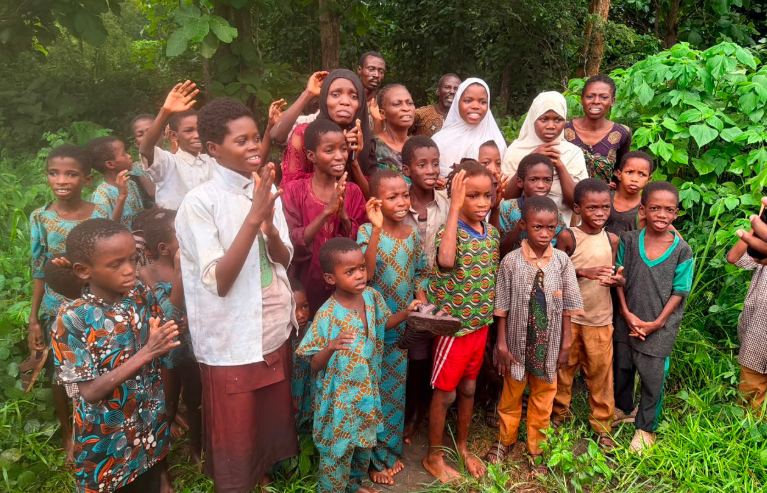

Mrs. Kadijat, whose children were among those taken, described the weight of waiting.
“The first thing I did was thank Almighty God. I also appreciate those who worked tirelessly on this. May God continue to bless their efforts. I am so happy that it turned out this way.”
She said the news finally brought peace.
“It felt like a heavy burden on me. But now my mind has become deeply at ease. The news we received has truly brought peace to our hearts.”
Her resolve was just as clear when asked if she would send her children back to school.
“As long as we are in this world, they have to get an education. We are determined to ensure they continue studying. May God make it easy for them, and for us as well.”
That determination reflects a dilemma facing parents across Nigeria. Withdrawing children from school feels like surrendering to criminals. Sending them feels like risking everything.
Prophet Akande Moses Ayobami recalled returning to Oriire after hearing the news.
“When I arrived, the whole town was deserted. All the children had fled into the bush. We saw many children running around the nearby villages.”
The return of the victims brought something simple back: rest.
“But when we heard they had returned, we were exceedingly joyful. Our sleep returned to normal. Peace has now returned to the town.”
That line captures what insecurity steals — not just safety, but the ability to live normally.
When everyone heard the news, everyone started celebrating all around. Everyone is happy. Before, they were grieving. But now that what we had been looking for has been found, what else is left? It is for us to dance and rejoice.”
Then came the caveat.
“We thank God that they have rescued the children safely. Now we need security.”
His concern is practical. The nearest police station is more than an hour away. By the time help arrives, he said, “the damage would already have been done.”
He made two requests: an Army barracks for the area and a police post stationed close to the community.
The appeal highlights a persistent gap in Nigeria’s security model. Agencies can and do carry out rescues, but many rural areas lack the permanent presence needed to prevent attacks in the first place.
Master Warrant Officer Igiranyisede Sydney of the 169 Motorised Battalion in Ogbomoso said the unit, newly established, is struggling with basic needs.
“Our biggest challenges are accommodation and how to stabilize after arriving as a newly established unit. We have issues of accommodation, water, bathrooms and toilet facilities.
We are very happy. We appreciate what the governor has brought to us. I didn’t even come here with a mattress. I wanted to buy one from the market tomorrow. When they told me they had brought mattresses, I was very happy.”
The point is simple: troops cannot protect communities effectively if they lack housing, water, and basic equipment. Courage and training matter, but so does logistics.
The return of the Oriire children is worth celebrating. For 56 days, families lived with uncertainty no parent should endure. Their relief is real
Parents like Mrs. Kadijat are choosing to send children back to class. That choice requires government to meet them halfway with security.
The story of Oriire will be remembered either as a successful rescue or as the moment Nigeria decided that protecting children, communities, and the men and women who defend them requires more than emergency action.
For now, the children are home. The town is sleeping again. But the fear that emptied its streets has not fully left.