


“Owo Church Massacre Trial Nears Verdict as Court Weighs Death Penalty Request for Suspects”
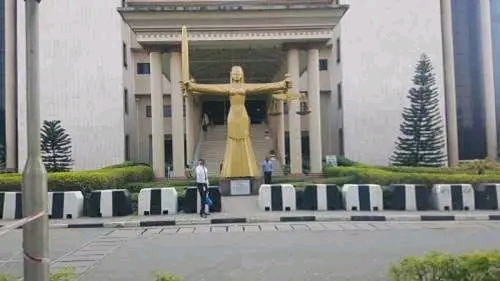
The Federal High Court in Abuja has reserved judgment in the high profile trial of five men accused of participating in the deadly June 5, 2022 attack on St. Francis Catholic Church in Owo, Ondo State, where at least 41 worshippers were killed during a Sunday service.
During proceedings on Tuesday, the prosecution urged the court to impose the death penalty on the defendants, arguing that evidence presented throughout the trial established their involvement in what remains one of Nigeria’s deadliest attacks on a place of worship in recent years.
The suspects are facing terrorism related charges linked to the coordinated assault that shocked Nigeria and drew widespread condemnation from religious leaders, civil society groups, and members of the international community. The attack, which occurred during Pentecost celebrations, left dozens dead and several others injured, triggering national mourning and renewed concerns over insecurity in parts of the country.
Counsel for the prosecution maintained before the court that the accused persons were connected to terrorist activities associated with the massacre and should face the full weight of the law under Nigeria’s anti terrorism legislation. Defence lawyers, however, reportedly challenged aspects of the prosecution’s claims and urged the court to consider the arguments presented in favour of the defendants.
Presiding over the matter, the trial judge announced that judgment had been reserved for a later date, which will be communicated to the parties involved.
The Owo church massacre remains a defining security incident in Nigeria’s recent history. Following the attack in 2022, security agencies launched a nationwide manhunt for suspected perpetrators, while the Federal Government intensified counterterrorism operations across several regions. The tragedy also reignited debates about the protection of religious institutions, intelligence coordination, and accountability in terrorism related prosecutions.
The case continues to attract national attention as families of victims, faith communities, and human rights observers await the court’s final decision. Legal analysts say the eventual judgment could become a significant reference point in Nigeria’s ongoing efforts to prosecute terrorism cases and strengthen public confidence in the justice system.