

“Oyo Approves ₦900 Million Counterpart Funding for 68 km Rural Roads; Super Eagles Coach Eric Chelle Clarifies $130,000 Salary Position”
Oyo Releases ₦900m to Accelerate 68km Road Infrastructure Drive
The Oyo State Government has approved the release of ₦900 million as counterpart funding for the rehabilitation of 68 kilometres of rural roads across the state, in a move aimed at strengthening agricultural value chains, enhancing mobility, and stimulating economic growth.
State officials said the funding forms part of a broader infrastructure partnership framework designed to improve access roads linking farming communities to urban markets. The projects are expected to reduce post harvest losses, cut transportation costs, and improve rural livelihoods in key agrarian zones.
Government representatives noted that the counterpart contribution will unlock additional financing support under ongoing rural access and agricultural marketing initiatives. Infrastructure analysts say improved feeder roads are critical to boosting food security and supporting smallholder farmers, particularly at a time when Nigeria faces inflationary pressures driven partly by supply chain bottlenecks.
Recent data from Nigeria’s National Bureau of Statistics has consistently highlighted transportation and logistics challenges as contributing factors to food price volatility. By prioritizing rural road networks, Oyo State authorities argue that the intervention aligns with broader federal and subnational efforts to stabilize food supply systems.
Reputable national outlets including The Punch, Vanguard, and Premium Times have reported on the funding approval and its expected economic impact.
Eric Chelle Defends $130,000 Salary Request, Denies Exit Threats
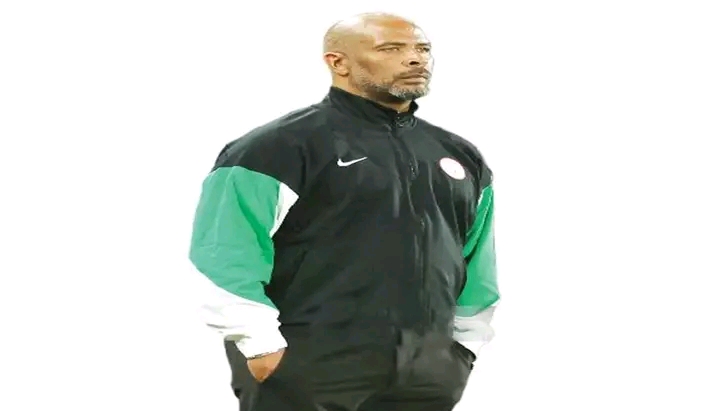
Meanwhile, newly appointed Super Eagles head coach Eric Chelle has addressed reports surrounding his $130,000 monthly salary demand, clarifying that his request reflects professional standards and improved working conditions rather than an ultimatum to leave the role.
Chelle, who was appointed by the Nigeria Football Federation (NFF), dismissed speculation suggesting he had threatened to quit if his remuneration expectations were not met. He emphasized that competitive compensation structures are essential to attracting and retaining high class really technical expertise in international football.
According to sports analysts, salary negotiations between national football federations and elite coaches are common, particularly as African teams seek stronger performances in continental tournaments and FIFA competitions. Chelle reportedly underscored the importance of adequate training facilities, structured technical support, and timely administrative coordination to ensure optimal team performance.
The NFF has yet to issue a detailed public breakdown of contractual terms but maintains that discussions remain within institutional frameworks. Coverage of the development has appeared in established platforms such as BBC Sport, ESPN Africa, and Channels Television, reflecting sustained public interest in the future direction of Nigeria’s senior national team.
Governance and Performance in Focus
Both developments Oyo State’s infrastructure financing and the Super Eagles’ coaching negotiations underscore wider governance themes in Nigeria: fiscal prioritization in subnational development and institutional management in national sports administration.
As states compete to strengthen infrastructure resilience and as sports authorities seek to reposition Nigeria on the global stage, transparency, fiscal discipline, and performance accountability remain central to public trust.