


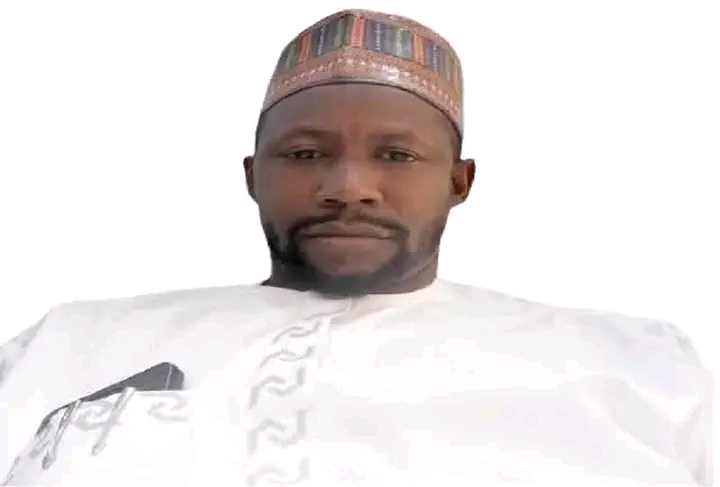
“Plateau Crisis: MACBAN Chair Babayo Alleges Fulani Marginalisation Amid Renewed Killings of Herders”
The Chairman of the Miyetti Allah Cattle Breeders Association of Nigeria (MACBAN) in Plateau State, Alhaji Babayo, has raised fresh concerns over what he describes as persistent marginalisation of Fulani communities in the state, even as violent attacks continue to claim the lives of herders.
In a recent interview addressing the prolonged insecurity in Plateau, Babayo alleged that several Fulani herders have been killed in recent months, yet their plight receives limited official recognition and response. He argued that beyond the violence, Fulani communities face systemic exclusion in governance, security protection, and access to justice.
Allegations of Targeted Killings and Exclusion
Babayo said members of pastoralist communities have been subjected to repeated attacks in rural settlements across Plateau’s volatile local government areas. While acknowledging the complexity of the crisis, he maintained that the narrative often overlooks casualties among Fulani herders.
Plateau State has, for years, witnessed recurring communal violence involving farming and herding communities, with disputes frequently linked to land use, grazing routes, and ethno religious tensions. Multiple administrations have struggled to contain the conflict despite military deployments and peace building initiatives.
Babayo contended that the state government’s policies and public communications contribute to what he termed a perception of collective blame against Fulani residents. He called for impartial investigations into all reported killings and urged authorities to ensure equal protection under the law.
Broader Context of the Plateau Conflict
The conflict in Plateau is part of a wider pattern of farmer herder tensions across Nigeria’s Middle Belt region. Reports by international and domestic media have consistently documented cycles of reprisal attacks affecting both farming and pastoralist communities.
Outlets such as BBC News, Reuters, Al Jazeera, and Premium Times have reported extensively on the Plateau crisis, highlighting its roots in competition over land, climate pressures, population growth, and governance challenges.
Security analysts note that while herders are frequently accused in deadly attacks on farming communities, there have also been documented instances of retaliatory violence against Fulani settlements. Human rights groups have repeatedly called for balanced investigations and accountability for all perpetrators, regardless of ethnic or occupational identity.
Government Response and Calls for Dialogue
The Plateau State Government has, in past statements, condemned all forms of violence and pledged to protect residents irrespective of ethnicity or religion. Authorities have also emphasized the need for community dialogue, intelligence driven security operations, and enforcement of land use regulations.
Babayo , however, insists that meaningful peace will require what he described as “genuine inclusion” of Fulani representatives in policy formulation and conflict resolution mechanisms. He urged federal and state authorities to address underlying grievances, including access to grazing resources, compensation for victims, and prosecution of those responsible for killings on all sides.
The Way Forward
As Plateau continues to grapple with cycles of violence, experts stress the importance of inclusive peace building, equitable law enforcement, and long term reforms in land management. The unfolding debate over marginalisation claims underscores the fragile trust among communities and the urgent need for transparent governance.
For Nigeria’s Middle Belt, the challenge remains not only ending immediate bloodshed but also confronting the structural drivers of conflict that have endured for decades.