


“Pope Leo XIV Reaffirms Anti-Nuclear Doctrine Amid Trump Criticism Over Catholic Safety Concerns”
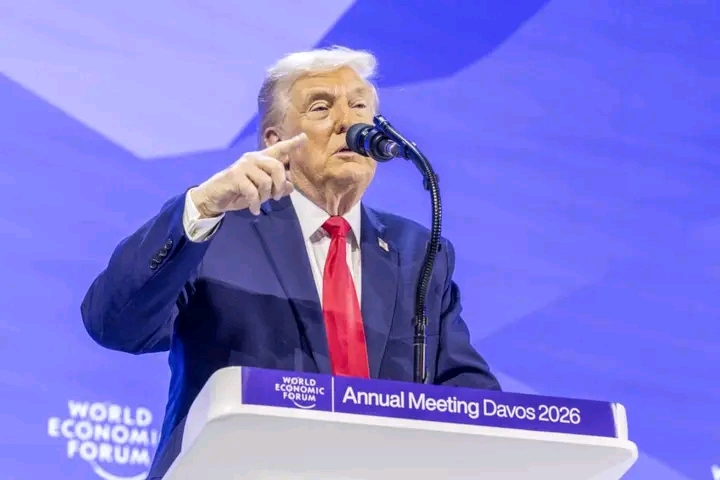
The head of the Catholic Church, Pope Leo XIV, has firmly defended the Church’s long-standing opposition to nuclear weapons, pushing back against criticism from former U.S. President Donald Trump, who accused the Vatican of putting Catholic lives at risk during a period of escalating geopolitical tensions.
In a strongly worded statement released from the Vatican, Pope Leo XIV reiterated that the Catholic Church’s position against nuclear armament is rooted in decades of moral teaching, emphasizing the catastrophic humanitarian consequences associated with nuclear warfare. He stressed that the Church’s doctrine prioritizes the preservation of human life and global peace, warning that any normalization of nuclear weapons poses an existential threat to humanity.
The response follows remarks by Trump, who argued that the Vatican’s anti nuclear stance could undermine strategic deterrence, particularly at a time when global tensions are rising across multiple regions. Trump’s comments suggested that discouraging nuclear preparedness may leave nations and by extension, Catholic populations more vulnerable to adversaries.
However, Vatican officials and leading theologians have rejected this argument, maintaining that deterrence through nuclear capability is inherently unstable and morally indefensible. The Pope underscored that true security cannot be built on the threat of mass destruction, calling instead for renewed diplomatic engagement, disarmament efforts, and multilateral cooperation.
The Catholic Church’s opposition to nuclear weapons has evolved over decades, with previous pontiffs, including Pope Francis, explicitly condemning not only the use but also the possession of nuclear arms. Pope Leo XIV’s latest remarks signal continuity in this doctrine, reinforcing the Vatican’s role as a moral voice in global security debates.
Analysts note that the exchange reflects broader ideological divides over how best to address rising international instability. While some policymakers advocate for strengthened military deterrence, religious and humanitarian institutions continue to push for disarmament and conflict prevention strategies.
As tensions persist globally, the Vatican’s position is likely to remain a focal point in discussions surrounding ethics, security, and the future of nuclear policy.