

On August 2, 2024, widespread protests erupted across Nigeria, ignited by growing discontent over rising hunger and economic hardship. In the thick of this unrest, Nyesom Wike, the Minister of the Federal Capital Territory (FCT), was seen at the Presidential Villa in Abuja, meeting with President Bola Tinubu. The sighting of the former governor of Rivers State in a black Toyota Prado SUV raised questions about the nature of their discussion, particularly in light of the protests centered in the FCT.
The demonstration in Abuja was characterized by large crowds gathering in the central business district and surrounding areas. The atmosphere grew tense as security forces deployed tear gas to disperse the protesters, who were voicing their frustrations over the government’s handling of food shortages and economic issues. Amidst this turmoil, Wike addressed a gathering where he emphasized the Federal Government’s willingness to engage in dialogue with the demonstrators.
During a ceremonial event where he handed over the Staff of Office to four newly coronated chiefs of Karu, Kwali, Pai, and Yaba, Wike acknowledged the protesters who maintained a peaceful stance. He urged them to continue advocating for their rights without resorting to violence, emphasizing that constructive dialogue is more effective in addressing grievances.
“I want you to continue with that peace process because he who makes peace will, at the end of the day, enjoy the dividends of peace,” Wike stated. He reassured the crowd that the government was ready to communicate openly, aiming to clarify misunderstandings and provide necessary information to the public.
Describing Abuja as the nation’s “center of unity,” he stressed the importance of collaboration across all sectors. Wike asserted, “If we lose Abuja, we have lost Nigeria. That is why we have always said, let us work together. There is nothing we can’t achieve under the current administration of President Bola Tinubu. Give him time, and a lot of things will change.”
In his address to the newly coronated chiefs, Wike underscored the significant role traditional rulers play in governance and community engagement. He noted that these leaders have a direct connection with the grassroots and are crucial in relaying the sentiments and needs of their communities to the government.
“You are the one who knows what the people feel at home; you are the one who will tell us whether the government is making any impact or not,” Wike remarked. He highlighted the responsibility of these chiefs to communicate government policies effectively and accurately to their subjects, stressing that the message they convey can shape public perception and acceptance of government initiatives.
As the country grapples with the ongoing protests, Wike’s call for peace and dialogue reflects an understanding of the urgent need for the government to address the underlying issues of hunger and discontent among the populace. The outcome of these discussions remains to be seen, but the willingness to engage in dialogue is a critical step towards finding common ground in these challenging times.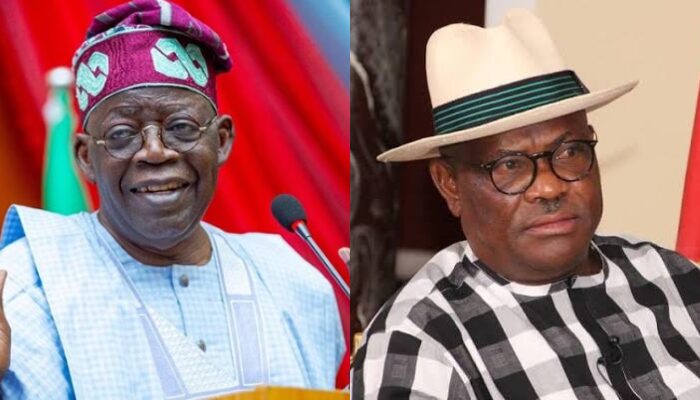

As protests continue to unfold across various regions, the dialogue between government officials and citizens will be pivotal in navigating the path forward for Nigeria.