


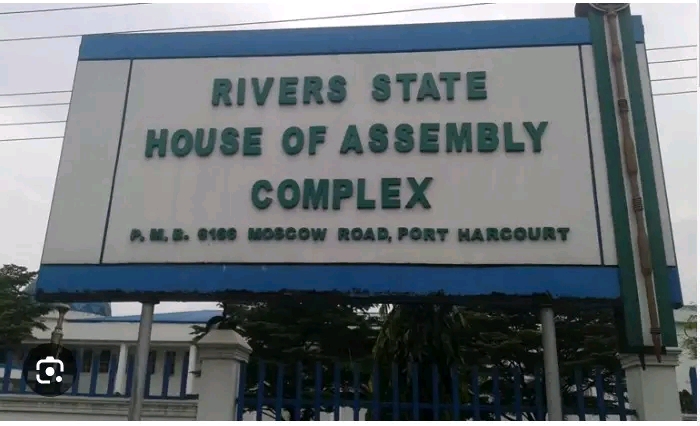
“Rivers Assembly Crisis Deepens as Fubara Loyalists Reject APC Screening Report Over Alleged Bias”
The political crisis within the All Progressives Congress in Rivers State has taken another dramatic turn after loyalists of suspended Governor Siminalayi Fubara rejected a controversial screening report linked to the party’s local political structure and the ongoing leadership battle in the Rivers State House of Assembly.
The disputed report allegedly disqualified aspirants believed to be loyal to Governor Fubara while clearing candidates associated with former Rivers governor and current Minister of the Federal Capital Territory, Nyesom Wike. The development has intensified tensions within the state’s political landscape as rival camps continue to struggle for influence ahead of future legislative and political realignments.
According to political stakeholders aligned with Governor Fubara, the screening process lacked transparency, fairness, and internal democratic standards expected within the APC structure. The loyalists accused party officials of orchestrating a selective exercise designed to weaken the governor’s political base while consolidating the influence of Wike backed figures across the state assembly framework.
The controversy comes amid months of political instability in Rivers State, where the rift between Governor Fubara and his former political mentor, Nyesom Wike, has continued to reshape alliances within both the executive and legislative arms of government. The crisis has triggered repeated legal disputes, parallel political gatherings, and heightened public debate over control of the state’s political machinery.
Observers say the latest disagreement over the screening report reflects deeper divisions within Rivers politics and could significantly affect future legislative activities and party cohesion. Analysts also warn that continued infighting may complicate governance and political reconciliation efforts in one of Nigeria’s most economically strategic states.
Despite the backlash, supporters of the Wike aligned faction reportedly insist that the screening exercise followed established party procedures and was conducted in accordance with internal guidelines. However, Fubara loyalists have vowed to challenge the outcome through appropriate political and legal channels, arguing that the exercise undermines democratic participation and political inclusion.
The Rivers Assembly crisis has remained one of Nigeria’s most closely watched political disputes, drawing national attention due to the influence of both Fubara and Wike within the country’s broader political structure. Political observers believe the situation may continue to shape conversations around party loyalty, power-sharing, and governance in the Niger Delta region ahead of future elections.