

Three decades after the end of apartheid, South Africa continues to grapple with enduring inequality and a housing crisis. Despite political rights and freedoms being granted to all, the housing policies of the governing African National Congress (ANC) have inadvertently reinforced the geography of apartheid, rather than reversing it. Squatters in a derelict hospital in Cape Town are protesting the government’s failure to deliver affordable housing, highlighting the ongoing challenges faced by many South Africans.
The Fight for Affordable Housing:
Members of the Reclaim the City movement occupied the Woodstock Hospital in Cape Town seven years ago, aiming to take over property close to the city center. They argue that access to jobs and services in the city is crucial for addressing the inequalities caused by apartheid. The movement sees the current housing situation as a new form of economic apartheid, where the poor and vulnerable are pushed to the periphery of the city. Many South Africans have the right to move but cannot afford the high rents demanded in the city center, perpetuating the segregation and inequality of the past.
Living in Occupied Spaces:
Former hospital rooms have become homes for those squatting in the Woodstock Hospital. For example, Jameelah Davids, who settled her family in the former office of the hospital morgue, emphasizes the importance of location for her autistic son’s schooling and well-being. Faldilah Petersen transformed a hospital bathroom into a home, highlighting how living in the occupation has provided her with stability and an opportunity to improve her life. However, the city authorities consider these tenants illegal occupiers and insist they vacate the premises before development can begin.
The ANC’s Housing Efforts:
When the ANC took power 30 years ago, their Freedom Charter promised housing to a population deprived of secure and comfortable homes during apartheid. Since then, over three million homes have been built and granted ownership for free or at below-market rates. However, the backlog for government housing remains significant, with many people waiting for decades. Moreover, most of the government-built homes are located far from the city center, perpetuating the spatial planning of apartheid that entrenched inequalities.
Cape Town’s Extreme Segregation:
Cape Town is considered one of the most segregated urban areas globally, with the legacy of apartheid deeply ingrained in its spatial planning. Land closer to the city center is expensive, making it difficult to build affordable housing units. Urban policy researcher Nick Budlender points out that not a single affordable housing unit has been built in the inner city of Cape Town since the end of apartheid. Activists are advocating for the use of available public land, such as government vehicle car parks, to be transformed into low-income housing.
A New Approach:
The provincial government, run by the Democratic Alliance (DA), is undertaking the Conradie Park project on state land close to the city’s jobs and services. The project aims to provide a mix of subsidised and market-value options for housing. However, the budgets are limited, and the timelines for completion are uncertain. Housing has slipped down the list of political priorities, with the DA’s manifesto for the national level not specifically mentioning it, nor do other parties.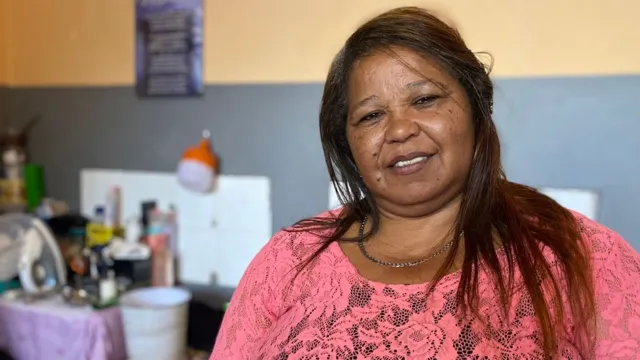

The Impact on South Africans:
For many South Africans living in townships like Khayelitsha, hope for the future is diminishing. The cost, unreliability, and safety concerns of transportation to the city for work make it difficult to escape the cycle of poverty. Disillusionment with the ANC and its failure to address the housing crisis could lead to a significant shift in political power, with the Economic Freedom Fighters (EFF) and Rise Mzansi offering alternative solutions and challenging the ANC’s