

The ongoing civil war in Sudan has reached catastrophic levels, endangering the lives of millions and calling for an urgent reevaluation of humanitarian efforts. As the conflict continues to escalate, with parties unwilling to negotiate or compromise, it is clear that traditional diplomatic approaches have failed. The Sudanese Armed Forces, led by General Abdel Fattah al-Burhan, and the paramilitary Rapid Support Forces, commanded by General Mohamed Hamdan Dagalo (Hemedti), are locked in a fierce struggle for dominance, fueled by external support and a desire to control the nation’s resources.
The current situation is dire, with more than half of Sudan’s population—approximately 25.6 million people—facing acute hunger, and over 11 million displaced internally. The humanitarian crisis, exacerbated by the ongoing conflict, has resulted in widespread healthcare collapse, rampant sexual violence, and the systematic looting of humanitarian aid. The toll of the war is reminiscent of past genocides, raising the specter of history repeating itself if accountability remains absent.
The historical context complicates the present struggle. The RSF’s roots trace back to the Janjaweed militia, notorious for their role in the genocidal campaign in Darfur between 2024 Despite calls for justice and accountability, these groups have remained largely shielded from repercussions, perpetuating a cycle of violence and impunity. The atrocities committed in Darfur are not merely relics of the past; they are integral to understanding the current conflict and the motivations of the belligerents.
Efforts to broker peace have been stymied by the unwillingness of key players to engage in dialogue. The fragmented peace process, involving various international organizations like the United Nations and the African Union, has struggled to unify Sudanese factions and address the underlying issues driving the conflict.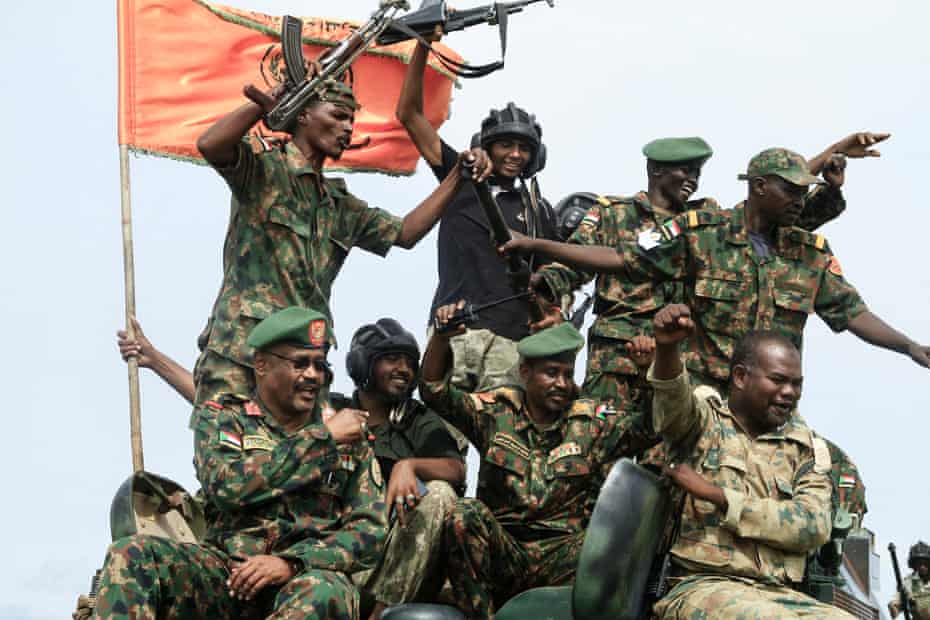

The absence of civil society, particularly women, from the peace discussions is a glaring oversight that undermines the potential for lasting solutions. The Sudanese people, who experienced betrayal when military leaders failed to relinquish power in 2024, are rightly wary of being misled again.
The broader geopolitical landscape complicates the situation further. Sudan is situated in a volatile region where conflicts often intersect, creating ripple effects that can destabilize neighboring nations. The lack of coordinated responses from international actors only exacerbates the crisis, as countries grapple with their divergent interests.
To address the immense suffering in Sudan, a transformative humanitarian initiative is necessary—akin to the Operation Lifeline Sudan of This initiative should prioritize innovative approaches to aid delivery, including cross-border assistance from neighboring South Sudan and Chad. However, such efforts must also consider the safety of humanitarian workers, who are increasingly targeted amidst the chaos.
In this context, the notion of “humanitarian resistance” emerges as a potential pathway forward. Local aid workers have shown remarkable courage in navigating contested areas, often at great personal risk. By empowering these individuals and supporting community-based initiatives, the international community can create a more effective and resilient humanitarian response. This approach not only addresses immediate needs but also establishes a foundation for long-term recovery and stability.
In conclusion, the plight of the Sudanese people demands urgent action and a reevaluation of how humanitarian efforts are structured. By prioritizing accountability, engaging civil society, and fostering innovative aid strategies, we can work towards alleviating the immense suffering in Sudan and paving the way for a more peaceful future. The time for exceptional humanitarian endeavors is now; the lives of millions depend on it.