


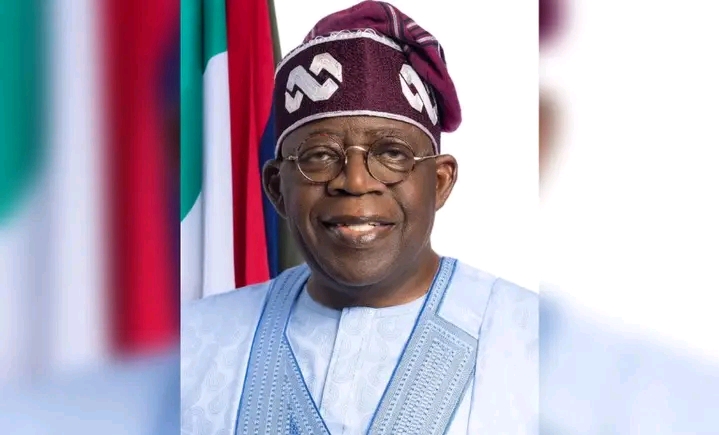
“Tinubu Administration Highlights Multi Billion Dollar Rail, Road, and Health Projects in North West Amid Neglect Claims”
The Nigerian Presidency has outlined a series of major infrastructure and social investments in the North West region, pushing back against growing claims that the administration of President Bola Ahmed Tinubu is neglecting the area. The government says ongoing and planned projects across rail, road, and healthcare sectors demonstrate a clear commitment to balanced national development.
Central to the Presidency’s response is the $2 billion Kano Maradi rail project, a cross-border initiative expected to enhance trade and regional connectivity between Nigeria and the Niger Republic. Officials describe the rail line as a strategic economic corridor that will boost commerce, create jobs, and strengthen Nigeria’s position in West African trade networks.
In addition to rail infrastructure, the government highlighted several road construction and rehabilitation projects across key North West states, aimed at improving transportation efficiency and reducing travel time for goods and people. The Presidency also pointed to investments in the healthcare sector, including upgrades to federal medical facilities and expanded access to essential services, as part of broader efforts to improve human development indicators in the region.
The clarification comes amid criticism from political stakeholders and regional commentators who have questioned the distribution of federal projects under the current administration. In response, government representatives maintain that project allocation is based on national priorities, economic impact, and long-term development goals rather than regional bias.
Analysts note that infrastructure development in the North West carries significant economic and security implications, given the region’s population size and its role in agriculture and cross-border trade. Strengthening transport and healthcare systems is widely seen as essential to addressing both economic disparities and ongoing security challenges.
While debates over equitable development continue, the Presidency insists that its policy direction remains inclusive, with ongoing assessments to ensure that all regions benefit from federal initiatives.