


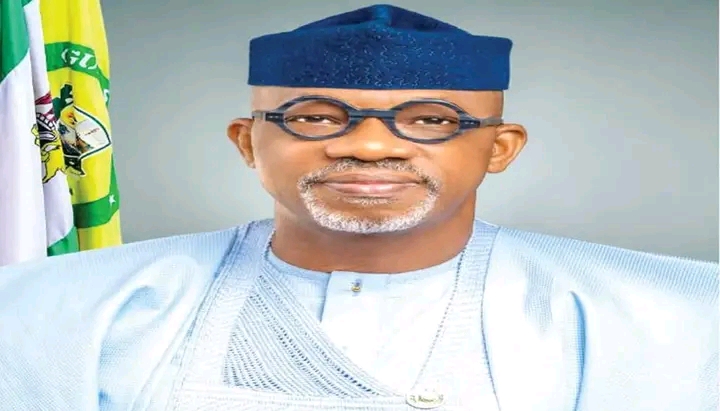
“Tinubu at 74: Abiodun, Adeola Applaud President’s Economic Reforms and Strategic Leadership Vision”
Ogun State Governor, Dapo Abiodun, and Senator Solomon Adeola, popularly known as Yayi, have commended President Bola Ahmed Tinubu for what they described as visionary leadership and bold economic reforms as the Nigerian leader marked his 74th birthday.
In separate goodwill messages released to commemorate the occasion, the political leaders praised Tinubu’s governance approach, highlighting his commitment to structural reforms aimed at stabilizing Nigeria’s economy and repositioning the country for long-term growth.
Governor Abiodun described the president as a “courageous reformer” whose leadership continues to shape Nigeria’s political and economic trajectory. According to the governor, Tinubu’s policy decisions particularly those targeting fiscal restructuring, subsidy removal, and investment driven economic recovery demonstrate a willingness to confront longstanding national challenges.
He noted that while reforms often come with short-term difficulties, they are necessary steps toward sustainable national development. Abiodun added that Tinubu’s decades-long political experience has enabled him to pursue policies designed to strengthen institutions and expand economic opportunities across Nigeria.
Senator Adeola echoed similar sentiments, praising the president’s resilience and strategic vision. The lawmaker said Tinubu’s leadership reflects a deep understanding of governance and economic management, emphasizing that ongoing reforms are laying the foundation for improved infrastructure, enhanced revenue generation, and investor confidence.
Adeola further acknowledged the president’s role in mentoring emerging political leaders and fostering democratic consolidation in Nigeria, describing his influence as extending beyond partisan politics to national development.
President Tinubu, who assumed office in May 2023, has pursued sweeping economic adjustments aimed at addressing fiscal deficits, foreign exchange instability, and declining public revenues. Key measures introduced by his administration include fuel subsidy removal, exchange rate unification, and efforts to expand non oil revenue streams policies that have drawn both domestic debate and international attention.
Supporters argue that the reforms are essential for correcting structural imbalances inherited over decades, while critics continue to raise concerns about inflationary pressures and the rising cost of living. Analysts note that the success of these policies will largely depend on sustained implementation, social protection measures, and economic diversification.
Across Nigeria, political allies, institutions, and supporters marked the president’s birthday with reflections on his political journey, from pro-democracy activism to national leadership, underscoring his enduring influence in shaping contemporary Nigerian politics.
As Nigeria navigates a complex economic transition, tributes from political stakeholders highlight the broader expectations placed on Tinubu’s administration to deliver inclusive growth, economic stability, and improved living standards for citizens.