


Reported by Musa Antiketu, | Journalist at Obaland magazine
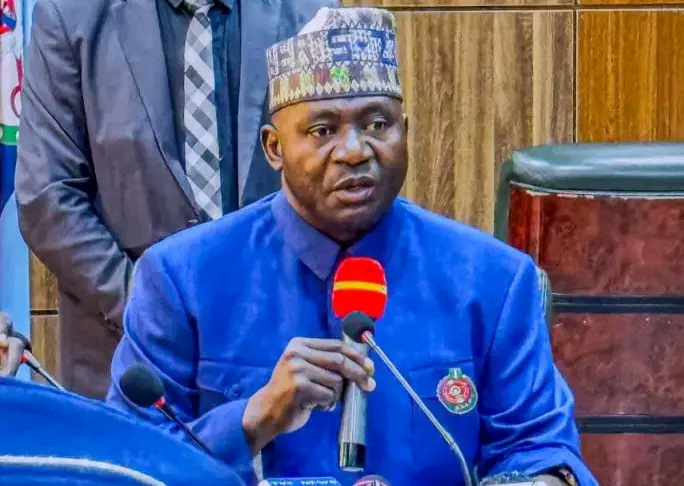
Nigeria’s Minister of Defence has described the Federal Government’s newly approved salary increase for members of the Armed Forces as a landmark intervention that will significantly strengthen the country’s fight against insurgency, terrorism, banditry and other security threats.
The minister praised President Bola Ahmed Tinubu’s decision to approve a comprehensive upward review of military salaries and allowances, describing the move as both timely and strategic for improving troop morale, operational efficiency and national security.
The salary adjustment, which ranges from 30 percent to 80 percent depending on rank and service category, represents one of the most significant improvements in military welfare in recent years. According to defence authorities, the package is expected to enhance the welfare of serving personnel, improve retention of experienced officers, and reinforce Nigeria’s ongoing security operations across multiple theatres of conflict.
A Major Welfare Intervention
For years, military welfare has remained a recurring issue in Nigeria’s security discourse. Troops deployed in difficult operational environments have frequently faced demanding conditions while confronting insurgents, terrorists, armed bandits, kidnappers and other criminal groups across different regions of the country.
Security analysts have consistently argued that improved remuneration, better accommodation, adequate healthcare, modern equipment and timely payment of operational allowances are essential components of a professional and effective military force.
Against this backdrop, the Federal Government’s approval of a substantial salary review has been welcomed by many observers as a positive step towards addressing longstanding welfare concerns.
Speaking on the development, the Minister of Defence stated that enhanced welfare directly translates into stronger operational capacity, emphasizing that motivated personnel are more capable of sustaining complex military operations against insurgent groups and criminal networks.
According to the minister, improved financial security allows soldiers to concentrate fully on their constitutional responsibility of protecting Nigeria’s territorial integrity and safeguarding citizens without the burden of economic hardship.
Strengthening Nigeria’s Counter-Insurgency Campaign
Nigeria continues to confront multiple security challenges across different regions.
In the North-East, security forces remain engaged in sustained operations against Boko Haram and Islamic State West Africa Province (ISWAP) fighters.
The North-West continues to experience armed banditry, mass kidnappings and attacks on rural communities, while parts of North-Central Nigeria face recurring violence linked to criminal gangs and communal conflicts.
Security agencies are also confronting separatist-related violence in parts of the South-East, maritime crimes in the Gulf of Guinea, oil theft in the Niger Delta and other emerging security threats.
Military authorities believe that improved troop welfare can positively influence operational effectiveness in these theatres by boosting morale and encouraging personnel to maintain high levels of commitment during extended deployments.
The Defence Ministry noted that welfare reforms complement ongoing investments in military hardware, intelligence gathering, surveillance technology, logistics and specialised training.
Welfare Beyond Salaries
Although the salary increase has attracted significant public attention, defence experts note that military welfare extends beyond monthly earnings.
Comprehensive welfare packages typically include quality housing, medical services, educational opportunities for military families, insurance coverage, pension security and psychological support for personnel returning from combat operations.
Many analysts argue that combining competitive salaries with improved living conditions can reduce stress among personnel while strengthening professionalism within the armed forces.
They also note that sustained investment in welfare contributes to higher recruitment standards and improved retention of skilled officers who might otherwise seek opportunities outside military service.
Tinubu Administration’s Defence Priorities
Since assuming office, President Bola Tinubu has repeatedly pledged to prioritise national security and provide the armed forces with resources required to address Nigeria’s evolving security landscape.
His administration has continued investments in military equipment procurement, intelligence capabilities, defence partnerships and institutional reforms aimed at improving operational effectiveness.
The latest salary review aligns with broader efforts to modernise Nigeria’s security architecture while recognising the sacrifices made daily by military personnel deployed across challenging operational environments.
Government officials have maintained that protecting the welfare of soldiers remains essential to achieving sustainable peace and stability.
Reactions from Security Stakeholders
The announcement has generated positive reactions from defence observers, veterans and security stakeholders.
Many believe improved remuneration acknowledges the risks undertaken by military personnel and demonstrates government commitment to supporting those serving on the frontlines.
Some analysts, however, stress that welfare improvements should be accompanied by continued investments in modern weapons systems, intelligence infrastructure, surveillance technology, logistics support and accountability mechanisms.
Others argue that transparent implementation of the salary review will be critical to ensuring that all eligible personnel receive the approved benefits promptly.
Security experts also emphasise that military success depends on a combination of motivated personnel, strong intelligence coordination, effective leadership, community cooperation and sustained political commitment.
Broader Economic Implications
The salary increase also carries broader economic significance.
Higher earnings could improve the financial stability of military families, stimulate local economies around military communities and reduce financial pressures affecting serving personnel.
At the same time, economists note that implementing such a substantial salary adjustment will require careful fiscal planning to ensure long-term sustainability within the national budget.
Government officials have nevertheless maintained that investing in security remains indispensable for economic development, investor confidence and national stability.
A safer environment, they argue, creates better conditions for agriculture, commerce, infrastructure development and foreign investment.
National Security and Public Confidence
Public confidence in national security institutions often depends on both operational effectiveness and the welfare of personnel responsible for maintaining peace.
Military officers serving in high-risk areas frequently endure prolonged separation from their families while operating under difficult conditions.
Improving their welfare may strengthen institutional morale while reinforcing public confidence that the government values their sacrifices.
Analysts observe that successful counter-insurgency campaigns require sustained political support, adequate funding, regional cooperation, intelligence sharing and community engagement in addition to military operations.
Looking Ahead
As implementation of the salary increase begins, attention will likely focus on how quickly the revised structure reaches personnel across all service branches.
Military authorities are expected to monitor the impact of the welfare package on morale, operational readiness and retention rates.
While improved salaries alone cannot eliminate insurgency or organised crime, defence experts broadly agree they represent an important component of wider security reforms aimed at strengthening Nigeria’s armed forces.
The Defence Minister expressed optimism that the welfare initiative would encourage troops to remain focused on ongoing operations while reinforcing Nigeria’s determination to restore peace in affected communities.
For many Nigerians, the success of the initiative will ultimately be measured not only by improved welfare statistics but also by tangible improvements in security, reduced violence and safer communities across the country.
As Nigeria continues confronting evolving security threats, the salary review underscores the government’s recognition that the effectiveness of its armed forces depends not only on weapons and equipment but also on the motivation, welfare and resilience of the men and women entrusted with defending the nation.
Nigeria’s Defence Minister says President Bola Tinubu’s approval of a 30–80% military salary increase will strengthen troop welfare, improve morale and boost anti-insurgency operations across the country. Obaland Magazine provides in-depth analysis and context.