

“Trump Claims Role in Iran Leadership Succession, Rejects Khamenei’s Son as Potential Supreme Leader”
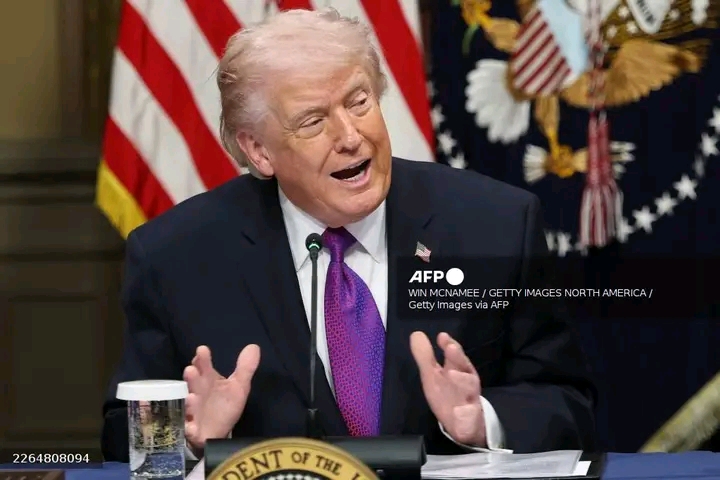
United States President Donald Trump has stated that he believes Washington should be directly involved in determining who becomes the next leader of Iran following the death of its long-time Supreme Leader Ali Khamenei, a remark that has drawn significant international attention and renewed debate over foreign influence in sovereign political transitions.
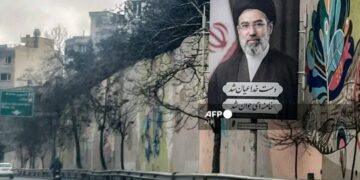
In an interview with Axios, Trump said he would not accept the emergence of Mojtaba Khamenei the late leader’s son as Iran’s next Supreme Leader. According to the U.S. president, the succession process should produce a leader capable of steering the country toward stability and reducing tensions with the United States and its allies.
“They are wasting their time. Khamenei’s son is a lightweight,” Trump said during the interview, adding that he believes he “has to be involved in the appointment.”
Iran’s Leadership Transition
Iran is currently navigating a sensitive political transition following Khamenei’s death, which has left the Islamic Republic’s highest office vacant. The country’s constitution mandates that the selection of a new Supreme Leader be handled by the clerical body known as the Assembly of Experts, which is responsible for evaluating and appointing the country’s top religious and political authority.
Reports indicate that several candidates are under consideration, with Mojtaba Khamenei widely viewed as a leading contender due to his long standing influence within Iran’s clerical establishment and connections to the powerful Islamic Revolutionary Guard Corps.
Iranian officials have also reportedly formed a temporary leadership arrangement to oversee state affairs until a permanent successor is selected.
Regional Tensions and Strategic Stakes
Trump’s comments come amid heightened geopolitical tensions in the Middle East, particularly following recent military developments involving the United States and its regional allies. Analysts say the succession process in Tehran will likely have significant implications for regional security, nuclear negotiations, and the balance of power across the Gulf and broader Middle East.
While Trump suggested that Washington should help shape the outcome of Iran’s leadership transition, senior U.S. officials have maintained that the current military campaign in the region is aimed primarily at weakening Iran’s missile and nuclear capabilities rather than pursuing formal regime change.
Political analysts note that the prospect of external influence in Iran’s leadership selection remains highly contentious, as the country’s political system is designed to resist foreign intervention in its internal affairs.
Global Reactions and Implications
Observers warn that public statements suggesting foreign involvement in Iran’s leadership succession could intensify already fragile diplomatic dynamics. The selection of the next Supreme Leader will shape Iran’s domestic governance, foreign policy orientation, and its relationship with Western powers for years to come.
For many regional stakeholders, the coming weeks may prove decisive as Iran’s clerical establishment deliberates over who will assume one of the most powerful political positions in the Middle East.