

“Trump Iran Flashpoint: Kamala Harris Warns Against ‘Unnecessary’ Military Escalation, Demands Congressional Oversight”
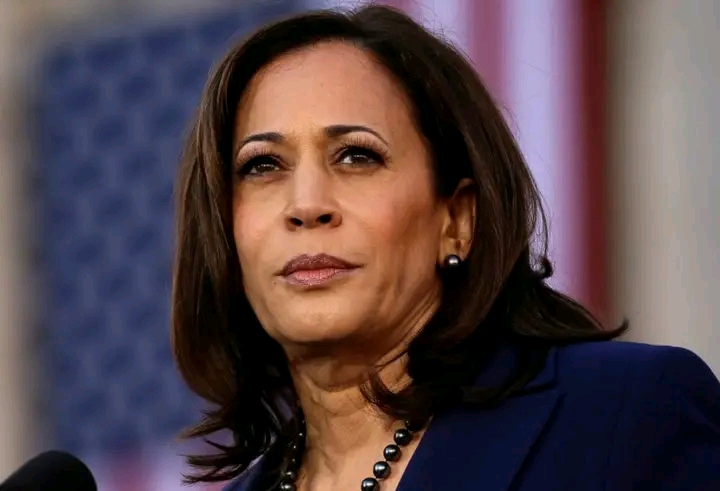
Former United States Vice President Kamala Harris has strongly criticized former President Donald Trump, accusing him of pursuing policies that risk steering the United States into an avoidable and potentially destabilizing conflict with Iran.
Harris argued that decisions capable of triggering military confrontation must be subjected to robust congressional scrutiny, warning against what she described as unilateral actions that could entangle the U.S. in another prolonged Middle East crisis. She emphasized that the U.S. Constitution grants Congress the authority to declare war and authorize the use of military force, underscoring the need for transparency and national consensus.
War Powers, Diplomacy, and the Nuclear Deal Fallout
The renewed political exchange has revived debate over the trajectory of U.S. Iran relations, which sharply deteriorated during Trump’s tenure. A defining moment came in 2018 when the administration withdrew from the 2015 nuclear accord formally known as the Joint Comprehensive Plan of Action (JCPOA) negotiated under former President Barack Obama.
The agreement had placed restrictions on Iran’s nuclear activities in exchange for sanctions relief. Trump’s withdrawal ushered in a “maximum pressure” campaign characterized by sweeping economic sanctions and heightened military posture in the Gulf region.
Tensions escalated dramatically in January 2020 following a U.S. drone strike that killed Iranian General Qasem Soleimani in Baghdad. Iran responded with missile attacks on U.S. military installations in Iraq, pushing both nations to the brink of open confrontation and prompting global concern over regional stability.
Harris maintains that such episodes illustrate the risks inherent in executive led military action without comprehensive legislative oversight.
Competing Visions of U.S. Global Leadership
Trump and his allies continue to defend the administration’s Iran strategy as a necessary deterrent against Tehran’s nuclear ambitions and regional influence. They argue that the JCPOA failed to address ballistic missile development and Iran’s involvement in regional proxy conflicts.
Conversely, critics contend that withdrawing from the agreement weakened diplomatic leverage and intensified instability across the Middle East. Leading international media organizations including The New York Times, BBC News, Reuters, and The Washington Post have extensively reported on the diplomatic fallout, sanctions impact, and military escalations that followed the policy shift.
Security experts caution that renewed confrontation with Iran could have sweeping consequences, from disrupting global oil markets to reshaping alliances across the Gulf and beyond. For African economies closely tied to global energy supply chains, instability in the Middle East carries direct economic implications reinforcing the broader international stakes of U.S. foreign policy decisions.
Congressional Authority and the Road Ahead
Harris’ call for congressional oversight revives a long running constitutional debate over executive war powers. Lawmakers from both major U.S. political parties have previously introduced measures aimed at restricting unilateral military action against Iran without explicit congressional authorization.
As U.S. political tensions heighten ahead of pivotal electoral cycles, foreign policy particularly relations with Iran remains central to discussions about America’s global posture. The evolving discourse signals not only a partisan divide but also a fundamental question about the balance between deterrence and diplomacy in shaping international peace and security.