


“Trump Rejects UK Aircraft Carrier Deployment to Middle East War, Sparking Debate Over US UK Military Alliance”
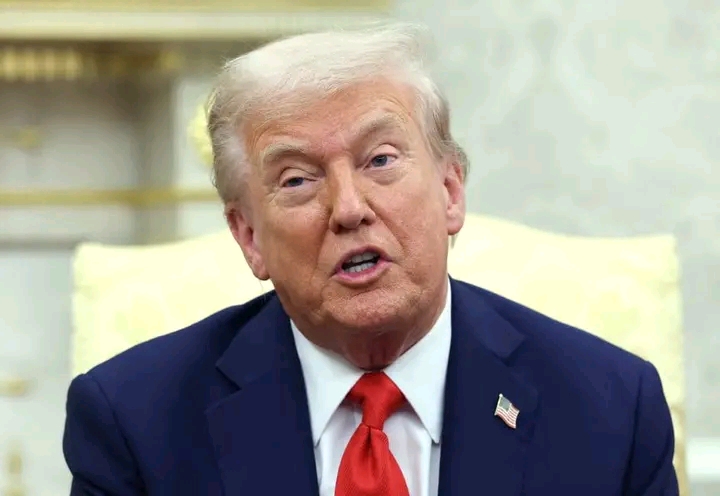
United States President Donald Trump has publicly dismissed the potential deployment of British aircraft carriers to the ongoing Middle East conflict, declaring that Washington no longer requires London’s military support. The remarks come amid heightened tensions in the region and have triggered renewed debate about the state of the long standing strategic alliance between the United States and the United Kingdom.
In a statement posted on his social media platform, Truth Social, Trump said the United States had effectively achieved its military objectives and therefore did not require additional assistance from the United Kingdom. He criticized the timing of the proposed deployment, suggesting that allies should not enter conflicts after key objectives have already been secured. Reports indicate that Britain had been considering sending one or more aircraft carriers to the Middle East as part of broader security measures linked to the ongoing confrontation involving Iran and U.S. aligned forces.
The comments followed announcements from the UK Ministry of Defence that the aircraft carrier HMS Prince of Wales had been placed on advanced readiness for possible deployment to the region, although officials stressed that no final decision had been taken. British authorities have maintained that their military posture in the Middle East is largely defensive, aimed at protecting regional stability and safeguarding British personnel and assets.
Trump’s remarks also come after earlier tensions between Washington and London over the extent of Britain’s support for U.S. military operations targeting Iranian capabilities. British Prime Minister Keir Starmer had previously delayed granting full access to UK bases for American operations, emphasizing the need to ensure that any military action was legally justified and strategically coordinated before providing support.
Analysts say the public disagreement highlights strains within the historically close transatlantic alliance at a time of escalating geopolitical instability. While both countries remain key NATO partners with deep military cooperation, the dispute underscores differing political approaches to the unfolding Middle East crisis and the broader question of how Western allies coordinate military interventions.
The evolving situation continues to draw global attention as governments weigh diplomatic and military responses to rising regional tensions. Security experts warn that coordination among international allies will remain crucial in preventing further escalation and ensuring stability across the Middle East.