


Trump Secures Russian Diesel Supply Deal to Ease Fuel Prices, Drawing Fierce Criticism From Ukraine.
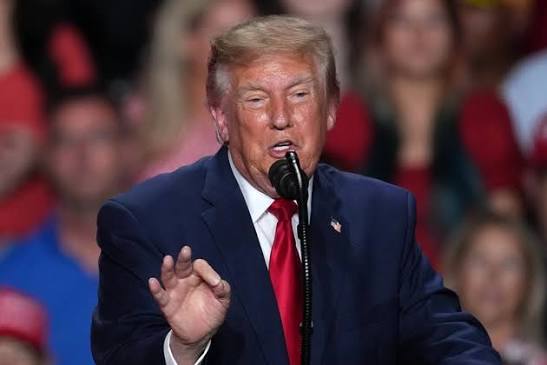
October 10, 2026 United States President Donald Trump has announced an agreement with Russian President Vladimir Putin to supply more than 300,000 tonnes of diesel fuel to American and international markets, a move aimed at easing rising energy costs but one that has triggered fresh diplomatic tensions with Ukraine.
The announcement, made on Friday, October 9, followed a conversation between Trump and Putin. According to Trump, Russia will immediately release more than 300,000 tonnes of diesel, followed by another 500,000 tonnes in November and an additional one million tonnes thereafter. He also indicated that Russia could supply a further three million tonnes within a relatively short period, depending on the condition of its diesel refineries.
The agreement comes as the Trump administration faces mounting pressure to address soaring fuel prices ahead of the November congressional midterm elections. Diesel is essential to freight transportation, agriculture, industrial operations and other sectors of the American economy, making its rising cost a significant concern for businesses and consumers.
US Eases Sanctions to Facilitate Russian Diesel Supply
Alongside the announcement, the US Treasury Department authorized temporary sanctions relief to facilitate the sale and importation of Russian origin diesel. The measure represents a significant shift in Washington’s approach to restricting Russian energy exports following Moscow’s full-scale invasion of Ukraine in February 2022.
The sanctions were designed, in part, to restrict Moscow’s energy revenues and limit the resources available to sustain its war effort. Allowing Russian diesel to reach American markets therefore raises questions about the balance between addressing domestic economic pressures and maintaining international measures intended to hold Russia accountable for its actions in Ukraine.
The Trump administration has presented the arrangement as an effort to increase fuel availability and reduce prices. However, the extent of any price relief remains uncertain.
Energy analysts have cautioned that additional Russian supplies may not substantially reduce prices because global fuel markets are influenced by several factors, including refinery capacity, transportation costs, geopolitical instability and the overall balance between supply and demand.
Zelenskyy Condemns Trump’s Decision
Ukrainian President Volodymyr Zelenskyy has criticized Washington’s decision to ease restrictions on Russian diesel exports, arguing that sanctions relief without meaningful progress towards ending the war risks strengthening Moscow financially.
According to reports by the Associated Press and Reuters, the Ukrainian leader expressed concern that the agreement could undermine international efforts to pressure Russia into changing its military posture.
The timing has further complicated diplomatic relations. Trump’s announcement came as American envoys Steve Witkoff and Jared Kushner were meeting Ukrainian and European officials in Miami for discussions concerning possible steps towards ending the conflict.
Zelenskyy’s criticism reflects Kyiv’s longstanding position that economic pressure on Russia should remain in place until there is meaningful progress towards a durable peace settlement.
For Ukraine, the central concern is that additional revenue from energy exports could help Moscow sustain its military operations, prolonging a conflict that has caused extensive destruction, displacement and civilian suffering.
Economic Relief Versus Geopolitical Consequences
The agreement highlights the difficult choices facing governments as they respond to energy price volatility while managing international security commitments.
For the United States, increasing diesel supplies could provide some relief to farmers, trucking operators and other fuel-dependent industries. Lower transportation costs could also help moderate prices across supply chains, although the scale and timing of any benefits remain uncertain.
For Russia, access to additional export markets could provide an economic advantage at a time when Western sanctions have sought to constrain its energy revenues.
The arrangement also raises broader questions about the consistency of American sanctions policy and its implications for relations with Ukraine and European allies.
While the immediate priority for Washington appears to be easing domestic fuel costs, the longer term consequences will depend on the volume of diesel actually delivered, the duration of the sanctions exemption and whether the measure forms part of a wider diplomatic understanding with Moscow.
As the Russia Ukraine war continues, the decision illustrates the challenge of reconciling energy security with international efforts to discourage military aggression.
What Happens Next?
The practical impact of the agreement will depend on the implementation of the announced shipments and the response of global energy markets.
Although Trump has expressed confidence that increased supplies will bring fuel prices down, analysts caution that the arrangement alone may not be sufficient to produce a sustained reduction.
The political implications could also extend beyond energy markets. Washington’s handling of sanctions relief will remain under scrutiny as Ukraine continues to seek stronger international pressure on Moscow and diplomatic efforts to end the war face persistent obstacles.
For African economies, which are exposed to international petroleum price movements and the cost of imported fuel, developments in the global diesel market are also worth monitoring. Any sustained reduction in international fuel prices could ease some transportation and production costs, although the actual effect on individual African countries would depend on exchange rates, domestic pricing policies, import costs and local supply conditions.
Ultimately, Trump’s Russian diesel agreement is both an energy market intervention and a consequential foreign policy decision. Whether it delivers meaningful economic relief without weakening diplomatic efforts to end the war remains an important question for Washington, Kyiv and the wider international community.