

In a candid discussion about the future of his political career, former President Donald Trump has indicated that he may not pursue another presidential run in 2028 if he loses the upcoming election against Democratic Vice President Kamala Harris. At 78 years old, Trump has been a significant figure in the Republican Party, having been its nominee in the last three consecutive elections and dramatically reshaping the party’s platform and identity over the past eight years.
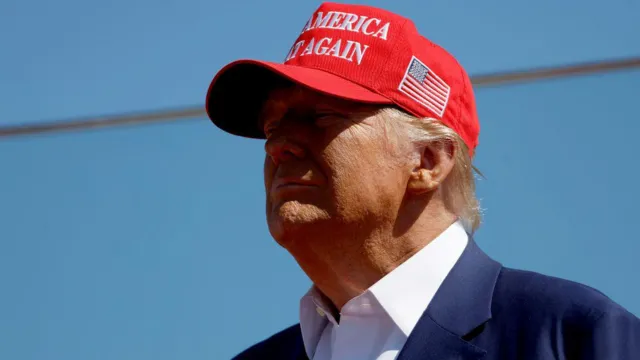
During an interview with Sinclair Media Group, Trump was asked about the prospect of another campaign should he face defeat in the November presidential election. He responded, “No, I don’t. I think… that will be it. I don’t see that at all.” Despite this admission, he expressed optimism about his current campaign, stating, “Hopefully, we’re going to be very successful.”
U.S. law prohibits presidents from serving more than two terms, so regardless of the outcome, Trump is not eligible to run again in 2028 if he wins in 2024. Historically, Trump has often downplayed the likelihood of defeat, focusing instead on rallying his base and promoting a message of victory through speeches and social media.
However, Trump’s recent comments acknowledging the possibility of a loss are notable, particularly as this marks the second occasion within just a few days that he has addressed the idea of defeat. At a recent event organized by the Israeli-American Council, he suggested that if he were to lose, Jewish voters would bear some responsibility, stating, “Do they know what the hell is happening if I don’t win this election? And the Jewish people would have to do a lot with that if that happens because at 40% [support] that means 60% of the people are voting for the enemy.” These remarks drew swift condemnation from both the Harris campaign and various Jewish advocacy organizations, including the American Jewish Committee and the Anti-Defamation League.
Trump’s acknowledgment of potential defeat may reflect changing dynamics in the electoral landscape since Harris became the Democratic nominee after President Joe Biden’s withdrawal from the race. Harris’s campaign has seen a substantial fundraising effort, raising over $190 million in August alone, compared to the $130 million amassed by Trump’s campaign and its affiliated organizations.
Current polling data suggests that Harris is leading Trump in national averages, with a recent CBS poll indicating she holds a 52% to 48% advantage over him nationwide. In crucial battleground states, which are essential for electoral success, Harris maintains a narrow lead of 51% to 49%, an increase from an evenly split poll conducted the previous month.
A separate NBC poll released on the same day shows Harris with a five-point lead over Trump across the country. It also reveals a significant rise in her favorability rating, with 48% of registered voters viewing her positively, marking the largest increase since the post-9/11 surge experienced by then-President George W. Bush.
Despite these positive trends for Harris, Trump continues to maintain an advantage among voters on key issues such as the economy, cost of living, and immigration. The Trump campaign has been approached for comments regarding the recent polling data, but as of now, no official response has been provided.
As the election approaches, the political landscape remains dynamic, with Trump’s statements and the evolving polling data indicating a highly competitive race ahead. The outcome of the upcoming presidential election will not only shape the future of Trump’s political ambitions but will also have a lasting impact on the Republican Party and its direction in the