


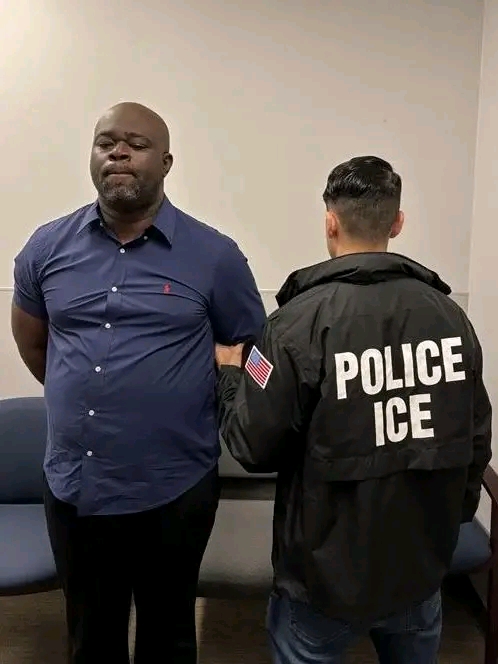
“US ICE Arrests Nigerian National in Los Angeles Over Alleged Identity Theft and Bank Fraud”
United States Immigration and Customs Enforcement (ICE) authorities in Los Angeles have arrested a Nigerian national, identified as Etinosa Osahon, over allegations linked to identity theft, bank fraud, and possession of stolen mail, according to reports from US federal immigration enforcement officials.
ICE confirmed that Osahon was taken into custody by officers attached to Enforcement and Removal Operations (ERO) in Los Angeles as part of ongoing efforts targeting financial crimes and immigration-related violations. Authorities alleged that the suspect was involved in fraudulent schemes connected to identity theft and unlawful financial transactions within the United States.
According to officials, the Nigerian national is now facing removal proceedings under US immigration law while criminal investigations linked to the alleged fraud activities continue. ICE stated that the arrest forms part of broader federal enforcement operations aimed at tackling organized financial crimes and mail related fraud affecting individuals and financial institutions across the country.
While authorities have not publicly disclosed the full extent of the alleged financial losses or the duration of the suspected operation, investigators say the case involves stolen mail and fraudulent banking activities tied to identity related offences. Under US federal law, identity theft and bank fraud are considered serious crimes that can attract significant prison terms, fines, and deportation for non citizens convicted of such offences.
The arrest has drawn attention within Nigerian diaspora communities, particularly amid increasing scrutiny of transnational cybercrime, financial fraud, and immigration enforcement involving foreign nationals in the United States. Experts note that US law enforcement agencies have intensified collaborations across federal departments to combat sophisticated fraud networks operating both domestically and internationally.
Recent years have seen multiple investigations involving foreign nationals accused of participating in cyber enabled fraud schemes, romance scams, business email compromise operations, and identity related financial crimes. American authorities have repeatedly emphasized that immigration status does not shield suspects from prosecution or deportation where criminal allegations are established.
However, legal analysts also stress that all suspects remain entitled to due process under US law until proven guilty in court. At the time of reporting, no public statement had been issued by Osahon or legal representatives responding to the allegations.
The case further highlights ongoing conversations around migration, cross border financial crime, and the growing role of international cooperation in combating digital and identity based fraud affecting global financial systems.