


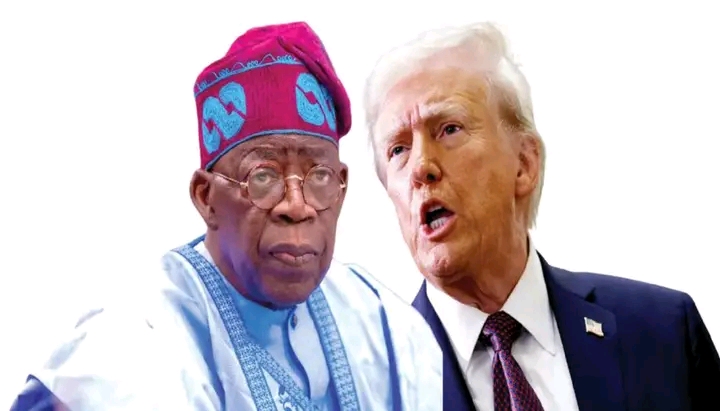
“US Lawmakers Push Conditional Aid Bill Tying Nigeria Funding to Action on Religious Violence”
A group of lawmakers in the United States has introduced a proposal that could significantly reshape financial assistance to Nigeria, seeking to withhold up to 50 percent of allocated aid until the Nigerian government demonstrates measurable progress in addressing religious violence.
The proposed legislation, currently under review in the U.S. Congress, reflects growing bipartisan concern over persistent attacks linked to religious and communal tensions in parts of Nigeria. Lawmakers backing the bill argue that continued financial support should be tied to concrete actions, including improved security responses, accountability for perpetrators, and strengthened protections for vulnerable communities.
According to details emerging from congressional discussions, the measure would require U.S. officials to certify that Nigeria is taking “effective and verifiable steps” to reduce violence before releasing the full portion of aid. This could affect funding streams tied to security cooperation, humanitarian assistance, and development programs.
Nigeria, Africa’s most populous nation, has long grappled with complex security challenges, including insurgency in the northeast, farmer-herder conflicts in the Middle Belt, and sporadic interreligious clashes. While Nigerian authorities maintain that efforts are ongoing to stabilize affected regions, critics—both domestically and internationally—argue that responses have been inconsistent and insufficient to deter recurring violence.
Supporters of the U.S. proposal say conditional aid could serve as leverage to encourage reforms and reinforce accountability. However, some policy analysts warn that reducing financial assistance may also impact humanitarian operations and development initiatives that benefit civilians, potentially complicating an already fragile security and socio-economic landscape.
Nigerian officials have yet to issue a formal response to the latest proposal, but previous government positions have emphasized national sovereignty and the complexity of internal security challenges. Diplomatic observers suggest that the development could test relations between Abuja and Washington, while also prompting broader discussions on international oversight, human rights, and security cooperation.
The proposed bill is still subject to legislative debate and approval processes within the U.S. Congress, and its final provisions may evolve. Nonetheless, it signals increasing scrutiny of Nigeria’s handling of religious and communal violence on the global stage.