


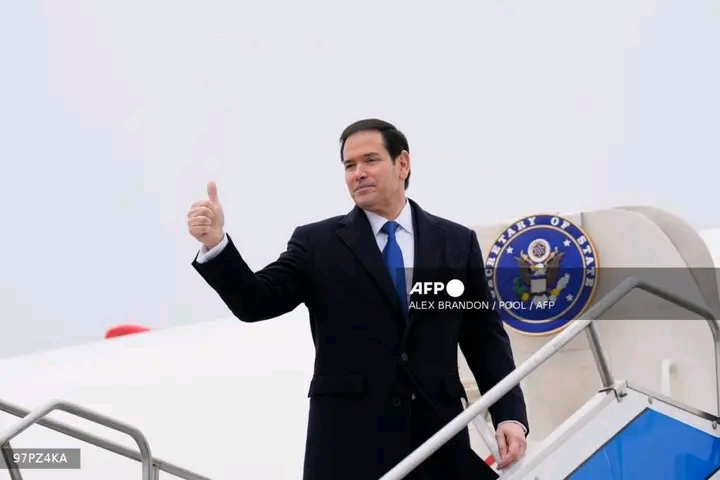
“US NATO Tensions Deepen as Rubio Signals Strategic Review Over Military Base Access Disputes”
The United States may reassess its long-standing relationship with the North Atlantic Treaty Organization (NATO), Secretary of State Marco Rubio has said, raising fresh questions about the future of transatlantic security cooperation amid growing geopolitical strain. Rubio’s remarks come as Washington expresses frustration over restrictions imposed by some European allies on the use of military bases during ongoing Middle East operations.
Speaking in a televised interview, Rubio stated that the United States would “have to reexamine” the value of NATO following the conclusion of the current conflict involving Iran, arguing that alliance commitments must remain mutually beneficial. According to the top US diplomat, NATO historically provided strategic advantages by granting American forces access to European bases that enabled global military operations. However, he suggested that limitations placed on such access by certain allies could undermine the alliance’s practical value to Washington.
The comments follow reports that several European NATO members restricted US military overflight permissions and denied access to bases linked to operations in the Middle East. Rubio questioned whether the alliance risks becoming a “one-way street” if the United States continues to guarantee Europe’s defense while facing operational constraints when pursuing its own security objectives. He emphasized that any final policy decision regarding NATO’s future direction would ultimately rest with the US president.
Analysts view the statement as one of the strongest signals yet of potential recalibration in US foreign policy toward NATO under the current administration. While Rubio acknowledged that he had long supported the alliance during his tenure in the US Senate, he indicated that evolving global conflicts and differing strategic priorities among allies are forcing Washington to reconsider traditional security arrangements. The remarks come amid broader tensions linked to the Iran conflict, rising energy market instability, and shifting defense expectations between North America and Europe.
NATO, founded in 1949 as a collective defense alliance, remains a cornerstone of Western security architecture. Any reassessment by the United States the alliance’s largest military contributor could have significant implications for global security cooperation, European defense planning, and geopolitical balance across regions including Africa and the Middle East, where NATO partnerships often intersect with counterterrorism and stability missions.
Despite the sharp tone of Rubio’s comments, no formal policy change has been announced, and diplomatic observers note that strategic reviews are common during periods of conflict or alliance disagreement. European leaders have yet to issue unified responses, though the issue is expected to feature prominently in upcoming transatlantic security discussions.