


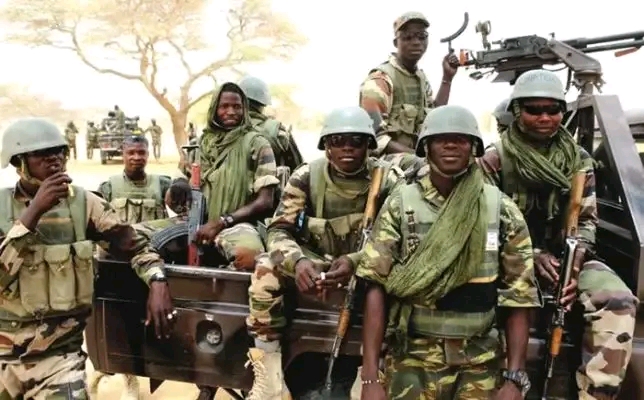
“Why Igbo Youths Shun Nigerian Army Recruitment: IPOB Counsel Points to Historical Marginalisation, Distrust”
The counsel representing the Indigenous People of Biafra (IPOB) has attributed the low participation of Igbo youths in Nigerian Army recruitment to longstanding grievances, perceived marginalisation and deep-seated distrust of the military.
The position comes amid renewed concerns over the low number of applicants from the South East during recent Army recruitment exercises. Reports indicate that military officials have urged youths from the region to take greater interest in enlistment opportunities and help address the recruitment gap.
According to arguments advanced by IPOB’s legal representatives and other voices within the South East, the reluctance is linked partly to the enduring legacy of the Nigerian Civil War and the perception that federal security institutions have historically failed to adequately protect or represent the interests of the region.
The concerns also reflect broader claims of unequal treatment, alleged discrimination and the belief among some youths that personnel from the South East could face disproportionate exposure to dangerous military deployments. These perceptions, whether supported by official data or not, have contributed to a growing sense of caution toward military careers among some young people in the region.
IPOB has repeatedly urged Igbo and other Biafran youths to reject Nigerian Army recruitment, arguing that joining the military could expose them to risks without addressing what the group describes as structural injustice against the South East. The organisation’s position has, however, been strongly contested by Nigerian authorities and other stakeholders who maintain that the military is a national institution open to eligible citizens from all parts of the country.
The debate has also extended beyond IPOB. South East leaders and civil society voices have identified historical grievances, concerns over security operations in the region and a lack of confidence in federal institutions as factors that may be influencing youth attitudes toward military recruitment.
The Nigerian Army, meanwhile, has continued to encourage qualified young Nigerians from the South East to participate in recruitment exercises, stressing the importance of regional representation within the armed forces.
The controversy highlights a wider national challenge: rebuilding public trust in security institutions while ensuring that recruitment, deployment and career progression are seen as transparent, equitable and reflective of Nigeria’s federal character.
For many observers, addressing the concerns raised by young people in the South East will require more than recruitment campaigns. It may also involve sustained efforts to confront historical grievances, strengthen institutional accountability and demonstrate that service in the Nigerian military offers equal opportunity and protection to citizens from every region.