


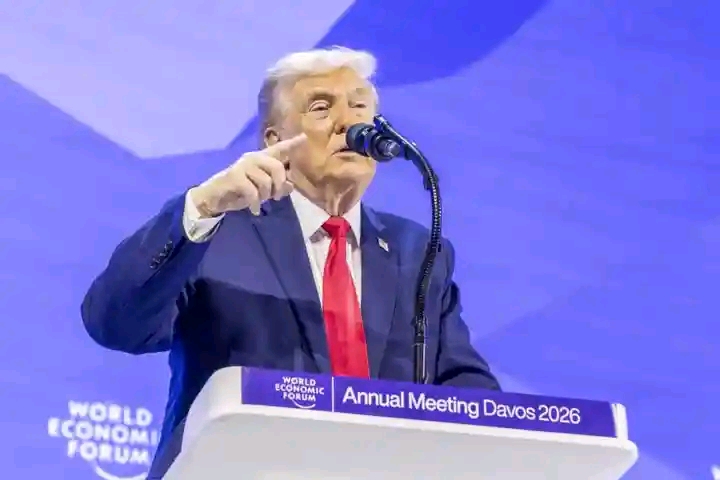
“Trump’s 48 Hour Ultimatum Raises Global Alarm as Iran Israel Conflict Threatens Vital Oil Route”
United States President Donald Trump has issued a dramatic 48 hour ultimatum to Iran demanding the immediate reopening of the Strait of Hormuz, escalating fears of a wider regional war after Tehran launched fresh strikes against Israel amid an intensifying Middle East conflict.
The warning delivered through official statements and social media posts threatens direct U.S. military action against Iranian energy infrastructure if shipping through the strategic waterway is not restored within the stated deadline. The development marks one of the most serious moments in the ongoing Iran-Israel confrontation, with global energy markets and diplomatic channels now under intense strain.
Ultimatum Over a Strategic Global Choke point
The Strait of Hormuz, located between Iran and Oman, handles roughly one-fifth of the world’s oil supply, making it one of the most critical maritime routes in global trade. The passage has remained largely disrupted since Iran restricted shipping following joint U.S. Israeli military actions earlier in the conflict.
According to multiple international media reports, Trump warned that failure to reopen the strait “without threat” within 48 hours would result in U.S. strikes targeting Iranian power plants and key infrastructure.
The ultimatum follows weeks of escalating hostilities that have already damaged commercial vessels, halted tanker traffic, and triggered sharp increases in global oil prices. Analysts describe the disruption as the most severe energy supply shock since the 1970s oil crisis.
Iran Strikes Israel Amid Rising Military Exchanges
The latest tensions intensified after Iranian missile and drone attacks struck locations inside Israel, part of an ongoing cycle of retaliation that began when the broader Iran war erupted earlier in 2026. Casualties and infrastructure damage have been reported across Israeli territory despite missile-defence systems intercepting many projectiles.
Israel has responded with continued strikes on Iranian targets, further deepening the confrontation and raising fears of direct U.S. Iran military engagement.
Iranian officials have warned that any attack on their territory could trigger retaliatory strikes against U.S. and allied energy assets across the region, signaling the potential for a wider Gulf conflict.
Energy Markets and Global Security at Risk
Security analysts note that the closure of the Strait of Hormuz has already caused tanker traffic to collapse, forcing shipping companies to suspend operations and pushing oil prices sharply upward.
The waterway’s strategic importance means any prolonged disruption could significantly impact fuel costs worldwide, including across African economies heavily dependent on imported refined petroleum products.
Economists warn that sustained instability could trigger inflationary pressure, disrupt supply chains, and strain developing economies already grappling with currency volatility.
Diplomatic Pressure Mounts
International actors are increasingly urging restraint as fears grow that miscalculation could widen the war beyond the Middle East. European and Asian governments have called for renewed negotiations, while maritime security discussions among global powers continue amid concerns over freedom of navigation.
Military analysts say Trump’s ultimatum represents a shift from deterrence rhetoric toward explicit conditional military threats, raising the stakes of an already volatile conflict.
With the 48 hour deadline underway, global attention remains fixed on Tehran’s next move one that could determine whether the crisis moves toward negotiation or a broader confrontation with far reaching geopolitical consequences.