



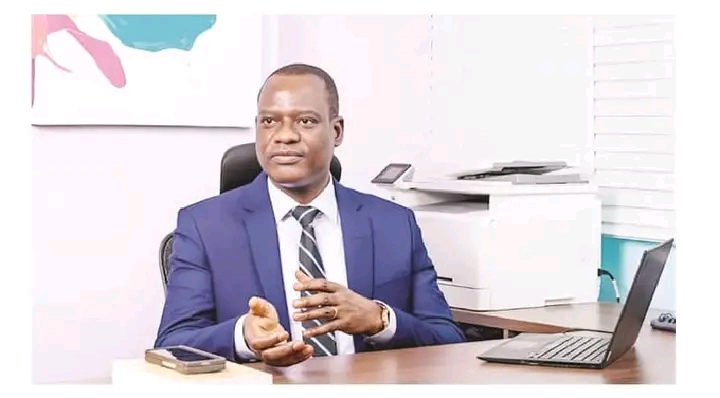
“Nigeria’s Fiscal Reset: Reps Leadership Backs Taiwo Oyedele to Fast Track Delayed Capital Projects”
Nigeria’s House of Representatives has expressed renewed confidence in the country’s fiscal reform agenda, with Deputy Spokesman Philip Agbese voicing strong support for the newly appointed Finance Minister, Taiwo Oyedele, to address persistent delays in capital project execution.
Agbese said the appointment of Oyedele signals a strategic shift toward fiscal discipline and efficiency, particularly in unlocking stalled infrastructure projects that have long hindered Nigeria’s economic growth. He emphasized that timely execution of capital projects is critical to stimulating job creation, improving public services, and restoring investor confidence in Africa’s largest economy.
Nigeria has struggled for years with underperformance in budget implementation, especially in capital expenditure. Analysts attribute this to revenue shortfalls, bureaucratic bottlenecks, and inefficiencies in public financial management. Agbese noted that Oyedele’s background in tax policy and economic reform positions him well to tackle these structural challenges and stabilize the country’s fiscal framework.
The lawmaker also highlighted the importance of aligning fiscal policy with broader economic recovery goals, particularly as Nigeria navigates inflationary pressures, currency volatility, and declining purchasing power. He called for stronger collaboration between the executive and legislative arms of government to ensure that reforms translate into tangible outcomes for citizens.
Economic observers say the success of Oyedele’s tenure will largely depend on his ability to boost revenue generation, improve transparency in public spending, and accelerate the release of funds for capital projects. There are also expectations that reforms will focus on widening the tax base while minimizing the burden on low income households.
Nigeria’s fiscal outlook remains under close watch by both local and international stakeholders, with renewed attention on governance, accountability, and efficient resource allocation. The endorsement from the House leadership is seen as a critical vote of confidence that could help drive momentum for ongoing reforms.