


The Uzuakoli Leprosy Colony, established in 1932 as a sanctuary for leprosy patients, has deteriorated into a symbol of neglect and abandonment. Once a beacon of hope, the colony now lies in ruins, with crumbling buildings, collapsed wards, and broken infrastructure. The colonial-era hospital structures, which once served as a referral centre, have all but given way to decay, their roofs caving in, walls dangerously cracked, and corridors overtaken by silence and the hum of insects.
About 30 inmates and their families live within the colony’s dilapidated walls, battling not only the physical scars of leprosy but also the deeper wounds of stigma and rejection. Many were abandoned by their families and communities after being declared cured, and are now forced to survive on charity and farming. The inmates, mostly elderly and with visible signs of the disease, face significant challenges in their daily lives.
The colony’s facilities, including a once-functional hospital and workshops, are now in disrepair. The lack of basic amenities like electricity, clean water, and healthcare has made life unbearable for the inmates. The Administrative Secretary of the Colony, Pastor Akindele Victor Olusegun, has appealed for urgent intervention, citing the need for government support, monthly stipends, and skills acquisition programs.
Leprosy, a bacterial infection affecting the skin and nerves, is not hereditary but can cause permanent disabilities if left untreated. Early diagnosis and treatment can prevent severe disabilities, but stigma and lack of access to healthcare remain significant challenges in Nigeria. According to Dr. Godswill Ogbonnaya, a Community Medicine Physician at the Federal Medical Centre, Umuahia, leprosy transmission occurs through droplets from the nose and mouth of an untreated infected person, and requires prolonged, close, and repeated contact with a patient
The story of Uzuakoli Leprosy Colony highlights the need for increased awareness, support, and inclusion for people affected by leprosy. The inmates, despite their circumstances, have built a fragile community among themselves, finding love, marrying, raising children, and even welcoming grandchildren within the confines of the colony.
However, their resilience contrasts sharply with the harshness of their reality. Their homes, barely habitable, resemble detention facilities or holding centres more than shelters for human beings. Leaky roofs drip through the night, walls have frightening cracks, and darkness engulfs the settlement at sunset due to lack of electricity.
The children born into the colony are innocent victims of circumstance, with limited access to education and healthcare. The nearest public secondary school requires daily transport expenses many families cannot sustain. The colony’s isolation and lack of resources have perpetuated a cycle of poverty and neglect.
The Nigerian government and international organizations have made efforts to combat leprosy, but more needs to be done to address the stigma and neglect faced by those affected. The Uzuakoli Leprosy Colony is a stark reminder of the need for continued support and awareness.
Provide monthly stipends, food, and clothing to support the inmates’ basic needs. Establish skills acquisition programs to empower inmates with vocational skills.
Repair and renovate the colony’s facilities, including the hospital, workshops, and homes. Ensure access to regular healthcare services, including medication and treatment for lingering wounds.
Promote awareness and inclusion of people affected by leprosy, combating stigma and promoting social integration.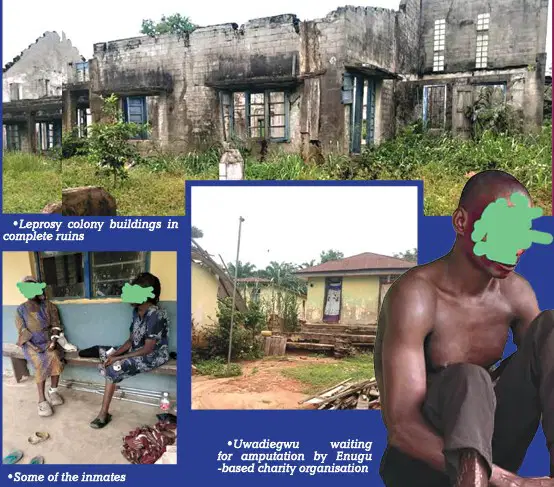
The Uzuakoli Leprosy Colony is a testament to the neglect and abandonment of people affected by leprosy in Nigeria. The inmates, despite their circumstances, continue to hope for a better life. It is our collective responsibility to support and empower them, ensuring they receive the dignity and care they deserve