

“Tinubu Has Delivered More Development to Northern Nigeria Than Any Previous Leader, Says Kaduna Governor Uba Sani”
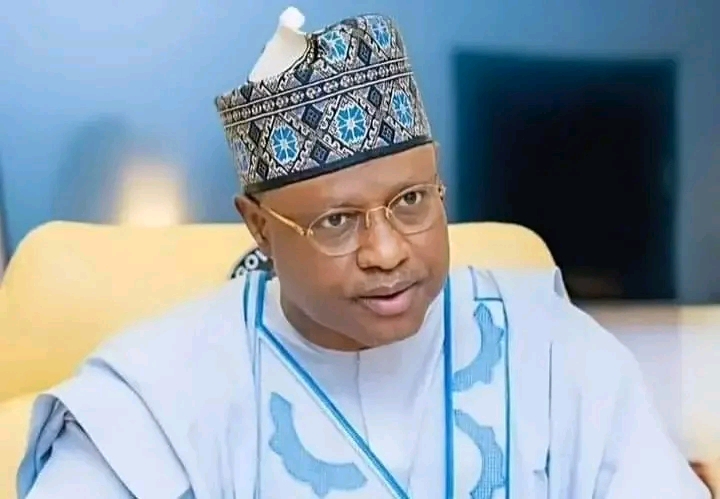
Kaduna, Nigeria Kaduna State Governor Uba Sani has declared that President Bola Ahmed Tinubu has delivered more development projects and policy interventions to Northern Nigeria than any previous Nigerian leader, citing major investments in infrastructure, agriculture, healthcare, and economic reforms.
Speaking during a public engagement in Kaduna, Governor Sani praised the Tinubu administration for prioritizing projects that he said are improving livelihoods across the region. According to the governor, the Federal Government’s interventions demonstrate a commitment to addressing longstanding developmental challenges in Northern Nigeria.
Sani highlighted ongoing road construction, expanded agricultural support programmes, improved healthcare initiatives, and investments aimed at strengthening food security and economic growth. He argued that these efforts are laying the foundation for sustainable development and greater economic inclusion across the North.
The governor also emphasized the administration’s focus on improving transportation infrastructure, expanding access to essential services, and creating opportunities for farmers and businesses. He maintained that these initiatives distinguish the current administration from previous governments in terms of the scale and scope of development delivered to the region.
His remarks come amid ongoing national debate over the impact of President Tinubu’s economic reforms, including the removal of fuel subsidies and foreign exchange policy changes. While supporters argue that the reforms are necessary to stabilize the economy and attract investment, critics continue to express concerns over rising living costs and inflation affecting millions of Nigerians.
Governor Sani nevertheless urged residents of Northern Nigeria to remain patient and continue supporting the administration, expressing confidence that the long term benefits of the government’s policies would outweigh the current economic challenges.
Political analysts note that assessments of any administration’s performance remain subject to public scrutiny and measurable outcomes, with infrastructure delivery, security, economic growth, employment, and social welfare serving as key indicators for evaluating government performance.
As the Tinubu administration approaches the midpoint of its tenure, discussions surrounding its achievements and challenges are expected to remain central to Nigeria’s political and development discourse.