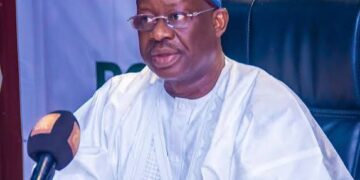
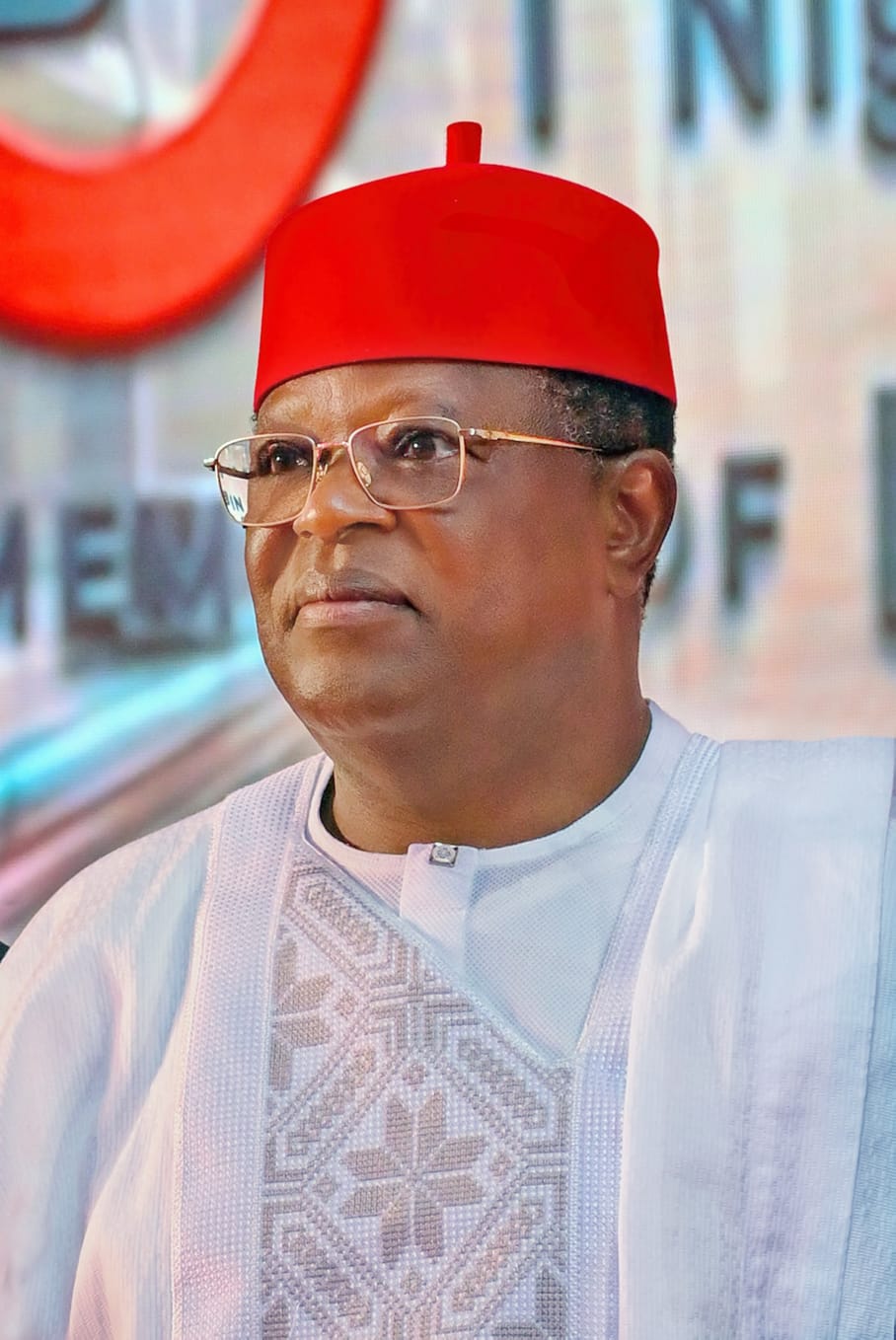
Nigeria’s Minister of Works, David Umahi, has dismissed reports that the Federal Government has abandoned the 750-kilometre Lagos-Calabar Coastal Highway, insisting that the original project remains intact despite controversy over plans to incorporate sections of the existing East-West Road into the infrastructure programme.
Umahi gave the clarification after meeting President Bola Tinubu at the Presidential Villa in Abuja. His remarks followed public criticism and calls for greater transparency over the coastal highway’s route would be changed to address engineering difficulties and persistent flooding.
According to the minister, the reconstruction of approximately 400 kilometres of the East-West Road, extending from Edo State towards Akwa Ibom and Cross River states, is an additional infrastructure initiative rather than a replacement for the coastal highway.
Umahi maintained that construction was progressing on several sections of the highway, while surveying and design work continued along sections yet to enter full construction. The areas under assessment include Edo, Delta, Bayelsa and Rivers states, where the proposed route is expected to connect with sections already under development.
The minister said the additional East-West Road intervention was intended to improve regional connectivity and address flooding risks associated with changing climatic conditions. He explained that some sections of the existing road had become vulnerable to flooding, creating transportation difficulties and threatening economic activities in affected communities.
However, the government’s explanation has not ended the controversy. Critics have questioned the implications of the proposed route changes, particularly their potential effects on coastal communities, project costs, environmental considerations and the transparency of infrastructure planning.
The controversy has renewed calls for clearer explanations of the project’s alignment, procurement arrangements and the engineering assessments underpinning the government’s decisions.
The concerns highlight the importance of public accountability in major infrastructure projects, particularly those involving substantial public expenditure and communities whose livelihoods may depend on the final route.
The Lagos-Calabar Coastal Highway is a major federal infrastructure project intended to improve transportation links across Nigeria’s southern coastal corridor. Its completion is expected to strengthen connectivity between states, facilitate the movement of goods and people, and support economic activities along the route.
For the Federal Government, the immediate challenge is to demonstrate that the highway’s original objectives remain achievable while addressing legitimate questions about route adjustments, construction costs, environmental safeguards and implementation timelines.
Umahi has maintained that the original 750-kilometre project has not been abandoned. The extent to which the government’s technical explanations satisfy public concerns will depend on the transparency of subsequent project updates and the publication of relevant engineering and planning details.
David Umahi insists Nigeria’s 750km Lagos-Calabar Coastal Highway remains intact as proposed East-West Road reconstruction and route realignment plans spark public scrutiny.