


WHO Launches Ebola Vaccine Trial in DR Congo to Combat Deadly Outbreak.
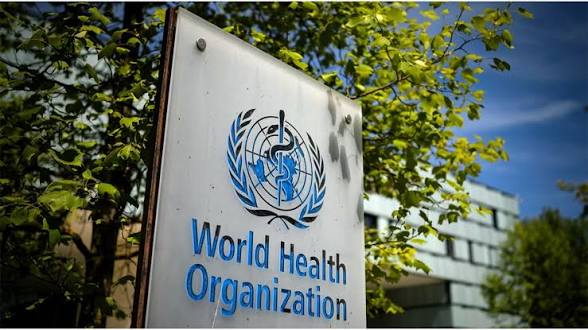
The World Health Organisation (WHO) has commenced the first clinical trial of an Ebola vaccine during the ongoing outbreak in the Democratic Republic of the Congo (DR Congo), as health authorities intensify efforts to combat the deadly virus.
The trial, known as Tumaini, meaning “hope” in Swahili, began on Friday, October 23, 2026, after the first participants received the Ervebo vaccine in Bunia, the capital of Ituri Province in eastern DR Congo.
WHO Director General Tedros Adhanom Ghebreyesus announced the development, describing the trial as an important step towards determining whether available vaccine candidates can protect people against the Bundibugyo strain of the Ebola virus.
The Bundibugyo strain responsible for the current outbreak has no approved vaccine specifically designed to prevent it. Although Ervebo is licensed to protect against the Zaire strain of Ebola, its effectiveness against the Bundibugyo strain in humans remains uncertain.
The clinical trial will assess the vaccine’s safety, immune response and effectiveness in providing protection against the virus.
According to the Coalition for Epidemic Preparedness Innovations (CEPI), two additional vaccine candidates are expected to join the trial. They are being developed by Moderna and the University of Oxford in collaboration with the Serum Institute of India.
The study will adopt an adaptive clinical trial design, allowing researchers to evaluate multiple vaccine candidates within a single framework. It will also use a ring vaccination approach, prioritizing people who have had contact with confirmed cases and others at high risk of infection.
As of October 21, 2026, DR Congo had recorded 9,552 cases and 4,602 deaths associated with the outbreak, according to figures released by organisations supporting the trial.
The outbreak, declared in May 2026, has prompted heightened international public health concern and intensified efforts to develop effective tools to contain the virus.
The trial is being led by Congolese health authorities and research institutions, with technical support from WHO and contributions from international partners.
However, health experts emphasize that the commencement of the trial does not mean the vaccine has been proven effective against the Bundibugyo strain. The study is expected to provide the scientific evidence needed to determine whether the vaccine candidates can offer meaningful protection.
The findings could help guide future vaccination strategies, strengthen outbreak preparedness and support efforts to reduce Ebola related deaths in DR Congo and other affected countries.