
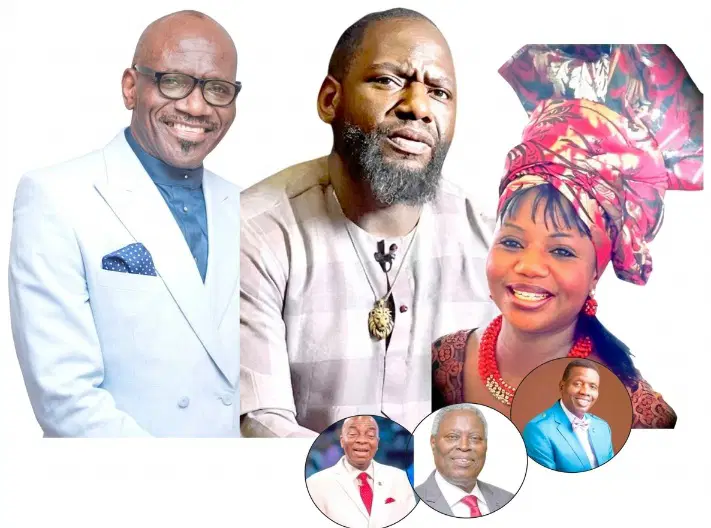
Religious institutions established around the authority, personality and influence of a single founder are increasingly facing difficult questions about leadership succession, institutional ownership and the future of their ministries.
Across Nigeria and other parts of Africa, the growing influence of founder-led churches has brought renewed attention to what happens when influential religious leaders die, retire, become incapacitated or decide to hand over leadership.
For many congregations, the founder is more than a spiritual leader. He or she is often the central figure behind the church’s vision, doctrine, administrative structure, financial decisions and public identity. Consequently, the departure of such a personality can expose institutional weaknesses that may have existed for years.
The challenge is particularly complicated where churches have no clearly established succession framework, independent governing structures or transparent procedures for appointing future leaders.
Some members of the Board of Trustees subsequently challenged Jimmy’s continued leadership, arguing that the founder’s recorded instructions should guide the succession process. Jimmy and the church leadership have rejected the move against him, insisting that his appointment was constitutionally valid.
The disagreement has escalated into a legal confrontation, with a Lagos High Court reportedly issuing an interim order restraining Jimmy from acting as senior pastor pending further proceedings. The opposing positions have left the church facing questions about institutional authority, constitutional interpretation and the legitimacy of its leadership arrangements.
Founder-led churches in Nigeria face growing succession challenges as the Fountain of Life Church crisis raises questions about leadership, governance and institutional accountability.