



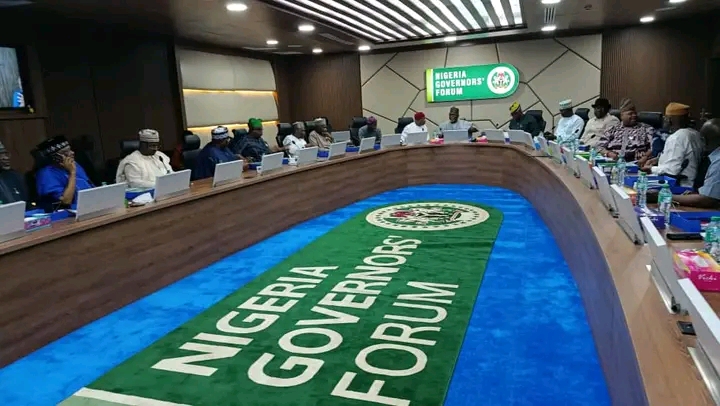
“Nigeria Governors Back N100,000 Minimum Wage as States Record Stronger Revenues”
The Nigeria Governors’ Forum (NGF) has expressed support for increasing the national minimum wage to N100,000, arguing that improved fiscal conditions across many states have created room for a higher wage structure aimed at easing the economic burden on Nigerian workers.
The position comes amid ongoing national conversations on wage reforms, rising inflation, and the increasing cost of living affecting households across the country. Governors under the NGF noted that the financial outlook of many states has improved significantly following the removal of fuel subsidies and other fiscal reforms implemented by the Federal Government.
According to the forum, enhanced allocations from the Federation Account and increased internally generated revenues in several states have strengthened the capacity of subnational governments to accommodate a higher wage framework. The governors believe that a revised minimum wage could help workers better cope with persistent economic pressures while contributing to social stability and productivity.
The debate over a new minimum wage has intensified in recent months as labour unions continue to push for substantial adjustments to workers’ earnings. Labour leaders have argued that the current wage structure no longer reflects prevailing economic realities, particularly in the face of inflation, rising transportation costs, and increasing prices of essential goods and services.
While supporting a wage increase, stakeholders within government and the private sector have also emphasized the need for sustainability, warning that any new wage agreement should be carefully balanced against the financial capacities of employers, especially smaller businesses and states with lower revenue bases.
Economic analysts say the NGF’s endorsement of a N100,000 minimum wage represents a significant development in the national wage negotiation process, as state governments play a critical role in implementing and financing public sector salaries across the federation.
As discussions continue among federal authorities, state governments, labour unions, and private sector representatives, Nigerians are closely watching the outcome of negotiations that could shape the country’s labour landscape and broader economic outlook in the coming years.