



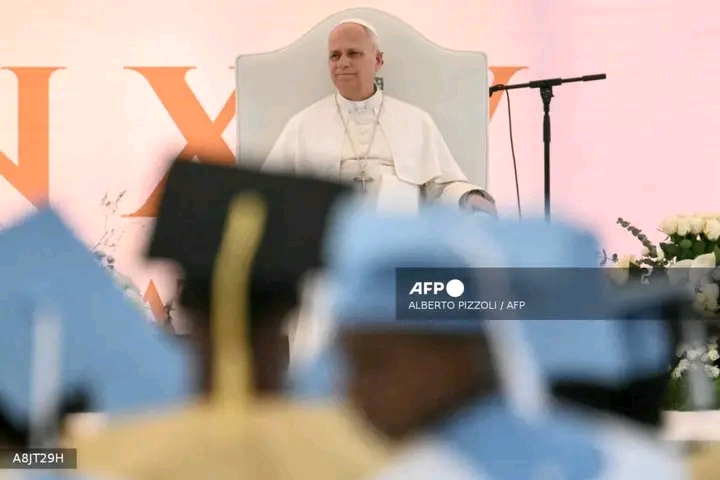
“Pope Leo XIV’s Africa Tour Enters Defining Phase with Planned Visit to Notorious Equatorial Guinea Prison”
In a significant and symbolic move during the final leg of his Africa tour, Pope Leo XIV is expected to visit a prison in Equatorial Guinea widely criticized for its harsh and unsanitary conditions. The visit underscores the Vatican’s renewed focus on social justice, human dignity, and the plight of marginalized populations across the African continent.
According to early reports from international media outlets, the pontiff’s itinerary includes a stop at a detention facility long associated with overcrowding, inadequate healthcare, and allegations of human rights abuses. While the Vatican has not publicly disclosed full details of the visit, sources indicate that the Pope intends to use the moment to call global attention to systemic inequality and the urgent need for prison reform.
Observers say the visit aligns with the broader themes of the Pope’s Africa tour, which has consistently highlighted poverty, governance challenges, and the widening gap between the privileged and vulnerable. By stepping into one of the country’s most criticized institutions, the Pope is expected to deliver a message that resonates beyond religious circles challenging political leaders and international stakeholders to address structural injustices.
Human rights organizations have long raised concerns about detention conditions in Equatorial Guinea, citing limited transparency and restricted access to independent monitoring bodies. Analysts note that a high-profile visit of this nature could increase international scrutiny and potentially influence policy discussions within the country and across the region.
The Vatican’s diplomatic engagements throughout the tour have emphasized dialogue, peace building, and inclusive development. The planned prison visit is seen as a continuation of that mission—bringing moral authority to bear on issues often overlooked in global policy debates.
As the tour draws to a close, attention will likely turn to the tangible outcomes of the Pope’s engagements, particularly whether his advocacy translates into meaningful reforms or sustained international pressure on governments to uphold human rights standards.