


Reported by Musa Antiketu,| Journalist at Obaland magazine.
ABUJA, Nigeria — President Bola Ahmed Tinubu has reportedly declined to personally receive a South African delegation that travelled to Nigeria amid heightened diplomatic concerns over renewed xenophobic attacks and growing fears about the safety of Nigerians living in South Africa.
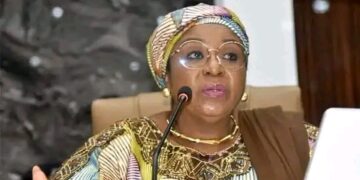
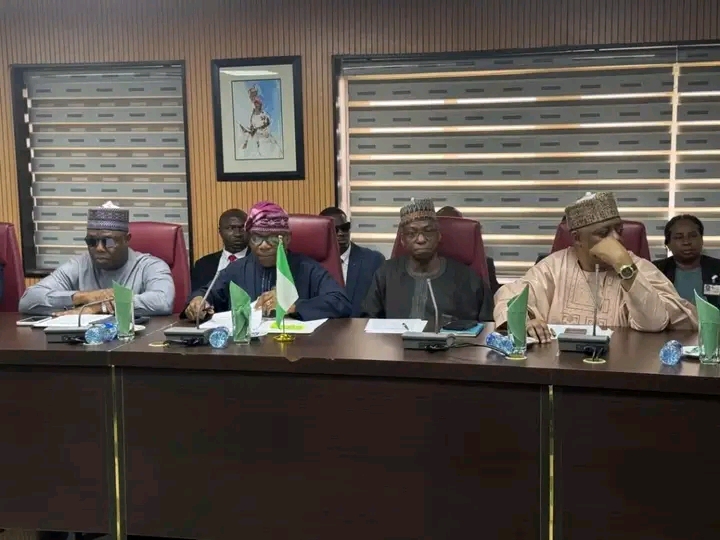
The delegation, reportedly led by South Africa’s Minister of International Relations and Cooperation, Ronald Lamola, is said to have arrived in Abuja carrying a message from South African President Cyril Ramaphosa. Rather than meeting the delegation directly, President Tinubu reportedly directed the officials to engage with Nigeria’s Minister of Foreign Affairs, Bianca Odumegwu-Ojukwu.
The development, reported by Nigerian media outlets, comes against the backdrop of escalating concerns over attacks and anti-foreigner sentiments targeting Nigerians and other African migrants in South Africa. It also follows a series of diplomatic measures by the Nigerian government, including the establishment of crisis-response mechanisms for Nigerians at risk and the voluntary evacuation of citizens from areas affected by xenophobic violence.
While the reported decision by President Tinubu to delegate the meeting has not, at the time of publication, been accompanied by a detailed official statement from the Nigerian presidency explaining the move, it has been widely interpreted as a sign of Abuja’s growing displeasure with the handling of attacks against Nigerians in South Africa.
The reported diplomatic encounter also comes at a particularly sensitive moment in Nigeria-South Africa relations, two of Africa’s largest economies and most influential political powers. The relationship between both countries has historically combined economic cooperation and strategic partnership with periodic diplomatic disagreements, particularly over migration, crime allegations, business competition and xenophobic violence.
Nigeria’s growing concern over attacks on its citizens
Nigeria’s latest diplomatic posture follows months of concern over the treatment of Nigerians in South Africa.
In May, President Tinubu directed Nigerian diplomatic missions in South Africa to establish a crisis notification unit to assist Nigerians facing threats amid renewed xenophobic tensions and anti-foreigner protests. The directive was disclosed by Foreign Affairs Minister Bianca Odumegwu-Ojukwu following a telephone conversation with her South African counterpart, Ronald Lamola.
The Nigerian government also advised its citizens facing immediate threats to contact South African security authorities and seek assistance through diplomatic channels.
The measures reflected Abuja’s concern that Nigerians living and doing business in South Africa were increasingly exposed to hostility and violence. Nigerian officials have repeatedly insisted that the safety and dignity of Nigerian citizens abroad remain a priority of the federal government.
The issue subsequently escalated into a broader diplomatic concern. In June, the Federal Government warned that it could consider reviewing certain bilateral privileges with South Africa in response to what it described as an inadequate response to renewed attacks against Nigerians.
Foreign Affairs Minister Odumegwu-Ojukwu reportedly said the government was deeply dissatisfied with the situation and rejected suggestions that the Nigerians targeted in the attacks were simply undocumented migrants. She maintained that Nigerian nationals had faced harassment, attacks on businesses and intimidation, raising concerns about the protection of foreigners under South African law.
The government’s position has been that xenophobia cannot be justified by concerns about migration or criminality and that individual criminal conduct should not be used to stigmatise an entire nationality or migrant community.
Evacuation of Nigerians underscores the gravity of the crisis
The diplomatic tensions have been accompanied by concrete measures to protect Nigerians in South Africa.
According to Reuters, Nigeria voluntarily evacuated 1,490 of its citizens from South Africa following a wave of xenophobic attacks. The evacuation operation was conducted in seven batches, with the latest flight bringing 305 Nigerians back from Johannesburg.
The Nigerian government later confirmed that it had brought more than 1,490 citizens out of harm’s way and remained prepared to take further action where necessary.
President Tinubu, represented by Vice President Kashim Shettima at the 69th Ordinary Session of the ECOWAS Authority of Heads of State and Government in Freetown, Sierra Leone, called on African countries to collectively condemn what he described as Afro-phobic attacks in South Africa.
The Nigerian leader argued that a united African position would send a clear message that intolerance and violence against Africans on the continent should not be accepted.
The statement was significant because it placed the issue beyond the narrow framework of Nigeria-South Africa bilateral relations. Instead, the Nigerian government framed xenophobia as a continental challenge requiring a coordinated African response.
The position also reflects Nigeria’s longstanding diplomatic argument that African solidarity must extend beyond political rhetoric to include the protection of African citizens wherever they live, work or conduct legitimate business on the continent.
A complicated relationship between two African powers
Nigeria and South Africa have maintained a relationship that is both strategically important and occasionally strained.
The two countries are among Africa’s most prominent political and economic powers, with significant populations, major markets and considerable influence in regional and continental affairs. Their governments have cooperated on matters ranging from trade and investment to peacekeeping, regional diplomacy and African Union initiatives.
However, relations have periodically been tested by tensions involving migration and xenophobia.
South Africa has experienced repeated outbreaks of violence and hostility directed at foreign nationals, particularly migrants from other African countries. Nigerians have often been among those affected, with reports over the years of businesses being attacked and foreign nationals being threatened during periods of anti-migrant unrest.
For Nigeria, such incidents carry particular diplomatic weight because of the large number of Nigerians who live, work and operate businesses in South Africa.
The Nigerian government has consistently maintained that South Africa has a responsibility to protect foreign nationals within its territory and prosecute those responsible for attacks.
South African authorities, for their part, have historically faced the difficult task of balancing public concerns over irregular migration and unemployment with constitutional protections for foreign nationals and the country’s broader obligations under international law.
That tension has often created a complicated political environment in which legitimate concerns about migration can become entangled with misinformation, economic frustration and anti-foreigner rhetoric.
Tinubu’s position reflects a tougher diplomatic tone
The reported decision by President Tinubu not to personally receive the South African delegation is likely to attract attention because presidential meetings often carry symbolic importance in international diplomacy.
However, directing the delegation to the Foreign Affairs Ministry does not necessarily mean that diplomatic relations between Nigeria and South Africa have broken down.
Foreign ministers routinely handle sensitive bilateral discussions, and the decision to refer the delegation to the minister responsible for foreign policy may indicate that Nigeria intends to manage the matter through formal diplomatic channels.
At the same time, the reported development could signal that Abuja wants to communicate the seriousness with which it views the treatment of Nigerians in South Africa.
The Nigerian government has already taken several steps in response to the crisis, including diplomatic engagement with Pretoria, the creation of emergency support mechanisms and the evacuation of vulnerable citizens.
President Tinubu has also publicly called for a stronger continental response to xenophobia, suggesting that Nigeria sees the issue as one that goes beyond individual incidents and requires sustained political attention.
Protecting citizens while preserving diplomatic relations
The central challenge for Nigeria is balancing the protection of its citizens with the need to maintain constructive relations with South Africa.
A diplomatic breakdown between the two countries could have wider consequences. Both nations play important roles in African trade, investment and political affairs. Their cooperation is also significant to the broader agenda of continental integration.
For this reason, Nigeria’s response is likely to remain focused on diplomatic pressure rather than an immediate rupture in relations.
The Federal Government has previously demonstrated that it is prepared to consider stronger measures if it believes Nigerian citizens are not adequately protected. However, it has also continued to engage South African authorities through diplomatic channels.
This approach reflects the reality that thousands of Nigerians have built lives, careers and businesses in South Africa, while South African companies and interests also operate in Nigeria.
A sustainable solution, therefore, requires more than diplomatic statements. It demands stronger law enforcement, effective prosecution of perpetrators, community engagement and a clear distinction between legitimate migration policy and collective hostility towards foreigners.
The wider African dimension
The latest diplomatic tension comes at a time when questions about African integration and the free movement of people remain central to the continent’s political agenda.
The African Union and regional organisations have repeatedly promoted greater integration, economic cooperation and mobility across African borders. Yet recurring xenophobic attacks expose the gap between the ideals of Pan-African unity and the lived experiences of migrants in some African countries.
For Nigeria, the treatment of its citizens in South Africa is particularly sensitive because of the country’s historical role in supporting liberation movements across the continent.
President Tinubu, speaking through Vice President Shettima at the ECOWAS summit, stressed that South Africa’s freedom was achieved partly through the sacrifices and solidarity of other African nations. The argument reinforces Nigeria’s view that African countries should not turn against one another when citizens cross national borders in search of economic opportunities.
The broader question is how African governments can reconcile national sovereignty with continental solidarity.
Migration is unlikely to disappear as an issue. Economic inequality, unemployment and political instability will continue to drive people across borders. The answer, therefore, may lie in stronger regional cooperation, better migration management and policies that address criminality without encouraging discrimination against entire communities.
What happens next?
The reported meeting between the South African delegation and Nigeria’s Foreign Affairs Minister could provide an opportunity for both governments to address the immediate concerns surrounding the safety of Nigerians in South Africa.
The Nigerian government is expected to continue demanding stronger protection for its citizens, while South African authorities will face pressure to demonstrate that attacks against foreign nationals are being taken seriously.
The latest development also places renewed attention on the responsibility of both governments to prevent diplomatic disagreements from deepening public hostility between Nigerians and South Africans.
For Obaland magazine, the issue is ultimately bigger than the question of whether one president received or declined to receive a visiting delegation. At its core is the question of whether African states can protect their citizens while building a continent where movement, trade and human interaction are governed by law rather than fear and prejudice.
Nigeria’s response will therefore be closely watched across Africa. The country’s government must demonstrate that it can defend Nigerians abroad firmly and effectively while keeping diplomatic channels open.
South Africa, meanwhile, faces the responsibility of ensuring that concerns about irregular migration or criminality do not become a justification for collective punishment or xenophobia.
The immediate diplomatic exchange may eventually pass, but the underlying challenge will remain. Nigeria and South Africa have too much political and economic significance to allow recurring attacks on migrants to permanently damage their relationship.
A durable resolution will require accountability, credible protection for foreign nationals and a sustained commitment by both governments to the principles of African solidarity and human dignity.
As the two countries navigate the latest strain, the priority should remain clear: protect lives, uphold the law and ensure that diplomatic engagement produces concrete measures capable of preventing further attacks against Nigerians and other African nationals living in South Africa.
Sources and Further Reading
- Reuters — Reported on Nigeria’s voluntary evacuation of 1,490 citizens from South Africa following xenophobic attacks.
- The State House, Abuja — Published Nigeria’s official position on Afro-phobic attacks and President Tinubu’s call for a united African response.
- Channels Television — Reported Tinubu’s condemnation of xenophobic attacks and his call for African countries to speak with one voice.
- Punch — Reported on the Nigerian government’s crisis-response measures for Nigerians affected by xenophobic tensions in South Africa.
- Punch — Reported Nigeria’s consideration of stronger diplomatic measures, including a possible review of bilateral privileges, over renewed attacks on Nigerians in South Africa.
- BigPen Nigeria — Reported that President Tinubu declined to personally receive a South African delegation led by Foreign Minister Ronald Lamola.
President Bola Tinubu reportedly declines to receive a South African delegation amid renewed xenophobic attacks on Nigerians, escalating diplomatic concerns between Abuja and Pretoria.