

The All Progressives Congress (APC) and the African Democratic Congress (ADC) have exchanged accusations over alleged unpaid staff salaries and the reported distribution of seven luxury sport utility vehicles (SUVs), estimated to be worth about ₦1 billion, to APC youth leaders.
The dispute, which unfolded on October 26, 2026, has drawn attention to questions about workers’ welfare, political party spending and accountability as political activities intensify ahead of Nigeria’s 2027 general elections.
The APC Presidential Campaign Council accused the ADC of failing to pay its staff for more than 12 months, while the opposition party criticised the ruling party over the reported luxury vehicle gifts amid persistent economic hardship.
In a statement issued, the APC Presidential Campaign Council spokesperson Dele Alake alleged that the ADC National Working Committee, led by Senator David Mark as national chairman and former Osun State Governor Rauf Aregbesola as national secretary, had neglected its financial obligations to party workers.
Alake described the alleged non-payment as unacceptable, arguing that a political party seeking to govern Nigeria should demonstrate responsibility in managing its workforce.
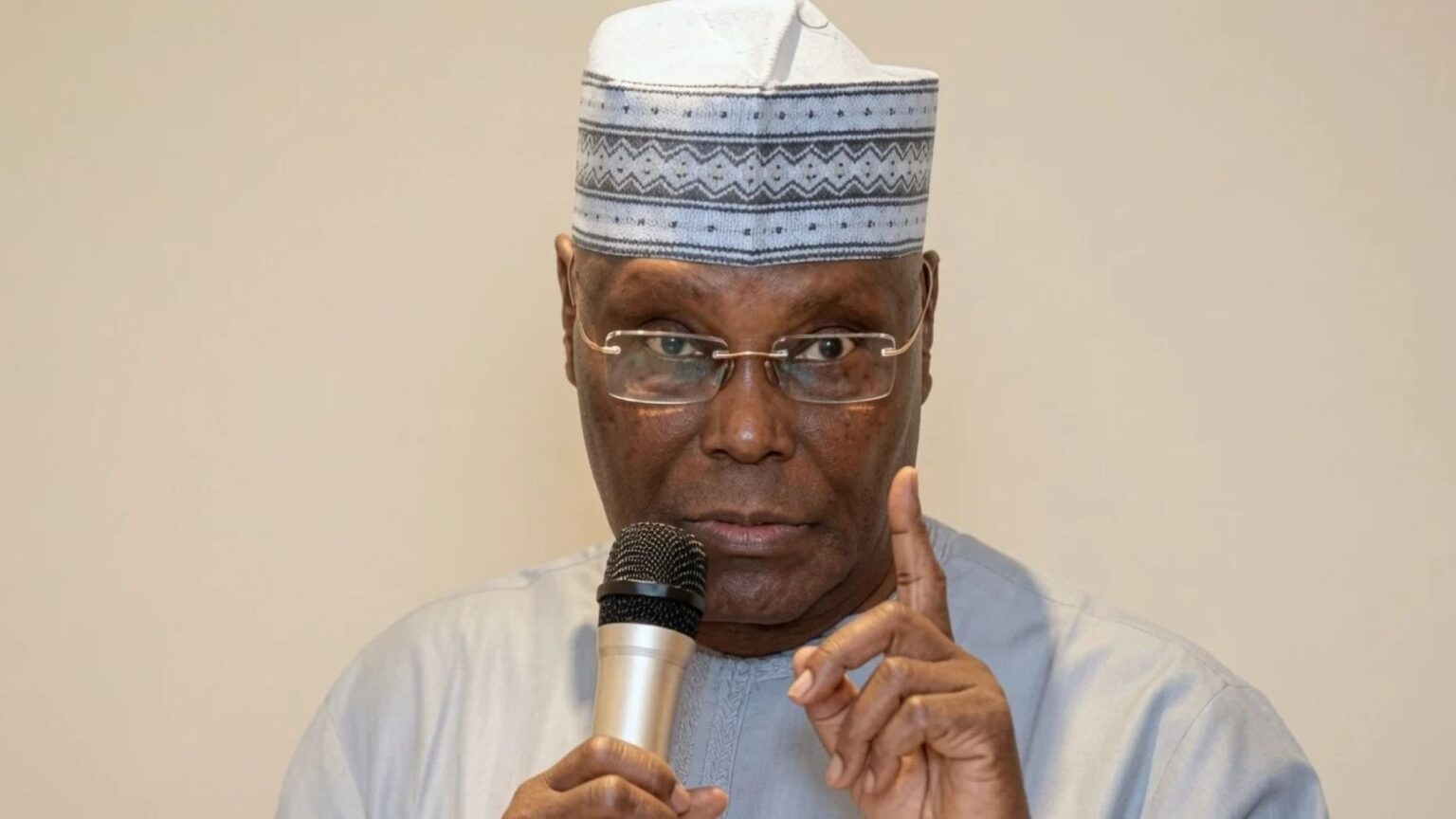
The APC campaign council also raised allegations concerning the employment records of former Vice-President Atiku Abubakar, whom it identified as the ADC’s presidential candidate, and Aregbesola’s record on workers’ salaries and pension payments during his tenure as Osun State governor.
The council urged Nigerians to reject the ADC and its candidates in the 2027 elections, using the salary allegations to question the opposition party’s capacity to manage public affairs.
However, the claims about the ADC’s outstanding salaries were not independently established in the statement, and the APC did not publicly provide payroll records or details of the alleged arrears.
The ADC rejected the accusation, describing it as false and challenging the ruling party to produce evidence to support its claim.
The party’s National Publicity Secretary, Bolaji Abdullahi, accused the APC of attempting to divert attention from the economic challenges facing Nigerians under President Bola Tinubu’s administration.
Abdullahi argued that the ruling party should focus on the cost of living, unemployment and insecurity rather than make allegations about the opposition’s internal affairs.
The ADC maintained that it would continue to focus on economic hardship as the country moves towards the 2027 elections.
The exchange has placed the management of party finances and the welfare of political organisations’ employees at the centre of the latest confrontation between the ruling party and a major opposition platform.
In a separate statement, the ADC criticised the reported presentation of seven 2026 Toyota Land Cruiser Prado SUVs to APC youth leaders, with the vehicles estimated in media reports to be worth approximately ₦1 billion.
The controversy followed a video shared by APC National Youth Leader Dayo Israel showing the vehicles. First Lady Oluremi Tinubu reportedly confirmed that she donated them to the party’s youth wing.
The ADC’s National Publicity Secretary, Bolaji Abdullahi, questioned the priorities of the ruling party, arguing that the reported gifts contrasted sharply with the financial pressures facing ordinary Nigerians.
The opposition party demanded disclosure of the source of funding for the vehicles and clarification on whether any public resources were involved.
It also questioned whether distributing luxury vehicles for political mobilisation represented an appropriate response to youth unemployment and the broader economic difficulties confronting the country.
However, the reported ₦1 billion valuation should be treated as an estimate, rather than a confirmed purchase price. The exact cost and full funding arrangements were not established in the reports reviewed.
The dispute highlights two separate issues: the allegations surrounding the ADC’s payment of its employees and questions raised by the opposition over the APC’s reported distribution of expensive vehicles to its youth leaders.
While the APC insists that the ADC must account for its alleged salary arrears, the ADC has demanded evidence and called on the ruling party to explain the funding and justification for the SUV gifts.
Both controversies underscore the importance of transparency in political party administration, particularly as parties prepare for the next general elections.
For voters, the central questions include whether political organisations meet their obligations to workers, disclose the sources of significant expenditure and demonstrate accountability in their use of resources.
The salary allegations remain disputed, while the exact cost and funding arrangements for the reported SUV gifts require further clarification.
APC and ADC trade accusations over alleged unpaid staff salaries and seven luxury SUVs reportedly worth ₦1 billion as political tensions rise ahead of Nigeria’s 2027 elections.