



Reported by Musa Antiketu, | Journalist at Obaland magazine
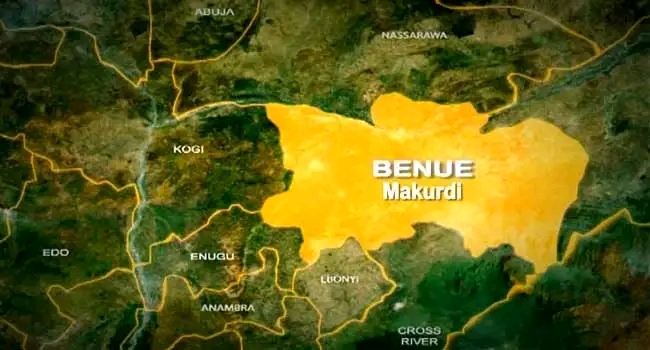
Violence has once again cast a shadow over Benue State following a deadly attack on Abaushwa community in Guma Local Government Area, where four people were reportedly killed by suspected armed herders in the latest episode of insecurity affecting Nigeria’s Middle Belt.
The incident, which has heightened concerns over the persistent cycle of violence in Benue, was confirmed by the police, who disclosed that investigations are underway while security operatives continue efforts to identify and apprehend those responsible.
The latest killings underscore the enduring security challenges confronting farming communities across Benue State, a region that has for years remained at the centre of recurring clashes involving armed groups, farmers and herders. The attack has renewed calls for stronger security measures, intelligence-led operations and long-term solutions to one of Nigeria’s most complex humanitarian and security crises.
Fresh Violence in Guma
According to information available at the time of filing this report, the attack occurred in Abaushwa community in Guma Local Government Area. Suspected armed herders reportedly invaded the area, leaving four residents dead.
Police authorities confirmed the incident and said officers had been deployed to the affected community. They added that investigations had commenced to determine the circumstances surrounding the attack and identify the perpetrators.
While security agencies have yet to release the identities of the victims, officials assured residents that efforts were ongoing to restore calm and prevent further violence.
The latest attack has deepened fears among residents who have repeatedly expressed concerns about the vulnerability of rural communities to armed assaults despite increased security deployments in parts of the state.
Benue’s Persistent Security Challenge
Benue State, widely regarded as Nigeria’s “Food Basket of the Nation,” has endured years of recurring violence linked to disputes over land, grazing routes, farming activities and broader criminality.
Communities in Guma, Logo, Katsina-Ala, Ukum and several other local government areas have experienced repeated attacks that have resulted in loss of lives, destruction of property and the displacement of thousands of residents.
Security experts have noted that while farmer-herder disputes have historically contributed to tensions, many recent attacks have involved heavily armed criminal elements operating with increasing sophistication, making the security situation more difficult to contain.
The continuing violence has severely affected agricultural production, disrupted local economies and created humanitarian concerns as families flee their homes in search of safety.
Police Begin Investigation
The Nigeria Police Force confirmed the latest incident and stated that an investigation had been launched.
Police officials said security personnel had been mobilised to the area to maintain law and order, reassure residents and gather evidence that could assist investigators.
Authorities also appealed to members of the public to remain calm and provide useful information that could aid ongoing investigations, stressing that community cooperation remains vital in tackling violent crimes.
Although no arrests had been announced at the time this report was prepared, the police reiterated their commitment to bringing those responsible to justice.
Growing Humanitarian Concerns
Beyond the immediate loss of life, recurring attacks continue to inflict devastating humanitarian consequences on affected communities.
Many rural residents are forced to abandon farms, homes and businesses whenever violence erupts, worsening food insecurity and economic hardship across Benue State.
Local leaders, humanitarian organisations and civil society groups have repeatedly warned that prolonged insecurity is undermining livelihoods and exposing vulnerable populations—including women, children and the elderly—to significant risks.
The displacement of farming communities also threatens agricultural productivity in a state that plays a vital role in Nigeria’s food supply chain.
Calls for Stronger Security Measures
The latest killings have reignited demands for more effective security interventions across Benue and neighbouring states.
Community leaders have consistently urged the Federal Government, security agencies and the Benue State Government to strengthen intelligence gathering, improve rapid response capabilities and ensure sustained protection for vulnerable rural communities.
Analysts argue that military operations alone may not provide a lasting solution, emphasising the importance of conflict prevention, dialogue where appropriate, justice for victims and the prosecution of criminal elements responsible for violent attacks.
There have also been renewed appeals for closer collaboration between federal and state authorities, traditional institutions and local communities to improve early warning systems capable of preventing attacks before they occur.
Broader National Implications
The security situation in Benue continues to attract national attention because of its implications for food production, internal displacement and national stability.
As one of Nigeria’s leading agricultural states, prolonged insecurity in Benue has implications beyond the state’s borders, potentially affecting food supply, market prices and rural economic development.
Security analysts have repeatedly emphasised that addressing insecurity in agricultural communities is essential not only for protecting lives but also for strengthening Nigeria’s food security and economic resilience.
Search for Justice Continues
For residents of Abaushwa community, the latest attack represents another painful chapter in a long history of violence that has devastated families and communities.
While investigations continue, affected residents are expected to look to security agencies for swift action that not only identifies those responsible but also prevents similar attacks in the future.
The tragedy also reinforces the urgent need for sustainable peace-building initiatives, improved security coordination and stronger support for communities that continue to bear the burden of recurring violence.
As investigations progress, authorities are expected to provide additional information regarding the identities of the victims, possible motives behind the attack and measures being implemented to prevent further bloodshed.
The people of Benue—and indeed Nigeria—continue to hope that meaningful security reforms, effective law enforcement and sustained political commitment will help end the recurring violence that has claimed countless lives and displaced thousands over the years.
Four people have been killed in a renewed attack on Abaushwa community in Benue State’s Guma Local Government Area. Obaland magazine examines the incident, the ongoing police investigation and the broader security implications for Nigeria’s Middle Belt.