



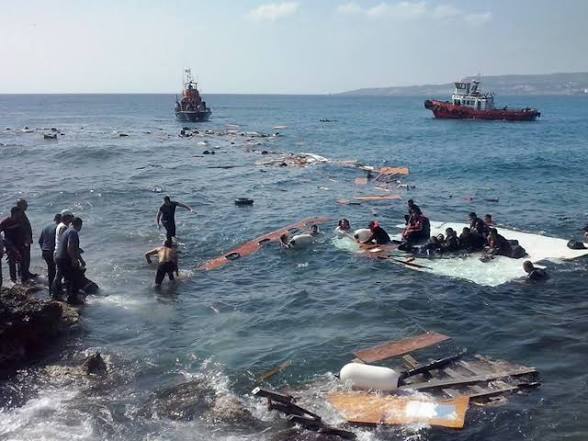
Djibouti Migrant Boat Tragedy: At Least 139 Dead as Search Continues for Missing Passengers.
At least 139 migrants have reportedly died after an overcrowded boat capsized off the coast of Djibouti, highlighting the continuing dangers faced by people attempting irregular migration along one of the world’s most hazardous migration routes.
According to reports attributed to the Associated Press, the vessel was carrying more than 300 people when it overturned. The disaster left dozens dead, while other passengers remained missing as rescue efforts continued.
The tragedy has renewed concerns about the risks confronting migrants travelling across the Red Sea and Gulf of Aden in search of employment, security and better living conditions.
Dangerous Migration Route Claims More Lives
Djibouti lies along the migration corridor connecting the Horn of Africa with Yemen and other parts of the Arabian Peninsula. Thousands of migrants, particularly from Ethiopia and neighbouring countries, travel through the region in hopes of reaching employment opportunities in the Gulf.
Many make the journey aboard overcrowded and poorly equipped boats operated by smugglers. These vessels often lack adequate safety equipment, leaving passengers vulnerable to rough seas, navigation failures and sudden capsizing.
The route across the Red Sea and Gulf of Aden remains dangerous, with migrants exposed to drowning, exploitation, violence and other humanitarian emergencies.
Rescue Efforts and Humanitarian Concerns
The reported death toll underscores the challenges facing rescue teams and humanitarian organisations working along the migration corridor.
Survivors of such disasters may require urgent medical treatment, shelter, food and psychological support. Families of missing passengers also face uncertainty while awaiting information about their loved ones.
The incident highlights the importance of coordinated search-and-rescue operations, improved protection for migrants and stronger efforts to combat smuggling networks that expose vulnerable people to life-threatening conditions.
Calls for Safer Migration Pathways
The tragedy has renewed attention on the underlying factors driving irregular migration, including unemployment, poverty, conflict and limited access to economic opportunities.
Humanitarian advocates have repeatedly called for governments and international organisations to strengthen protections for migrants, improve access to safe and legal migration routes, and address the conditions that force people to undertake dangerous journeys.
For African countries, the disaster also reinforces the need for sustained investment in employment, education, regional cooperation and programmes that reduce the vulnerability of people considering hazardous migration routes.
As rescue operations and efforts to establish the full circumstances of the incident continue, the reported deaths serve as another reminder of the human cost of irregular migration.