



Nigeria’s efforts to contain its first imported Ebola disease case remain ongoing, with the Nigeria Centre for Disease Control and Prevention (NCDC) warning that the evacuation of the index patient to Switzerland does not mean the country is free from the risk of further transmission.
The NCDC Director-General, Dr Jide Idris, gave the warning as health authorities intensified contact tracing and surveillance to identify people who may have been exposed to the virus.
Speaking during an interview. Idris said the agency was continuing to monitor identified contacts and investigate possible secondary contacts who might have interacted with them.
According to him, three contacts who were tested on Monday returned negative results. However, he stressed that surveillance efforts must continue until health officials are satisfied that all potentially exposed individuals have been identified and monitored.
“We are not out of the woods yet,” the NCDC chief said, explaining that contact tracing remained essential despite the index patient’s departure from Nigeria.
The NCDC said the number of identified primary contacts had reached 54 as of Monday, following the identification of an e-hailing driver who had transported the patient to a hospital before her diagnosis.
The agency had earlier reported 53 contacts in its October 24 situation report. The latest figure reflects continuing investigations into the patient’s movements and possible exposure to other individuals.
Idris explained that public health teams were also working to identify secondary contacts, including people who might have interacted with the primary contacts after their possible exposure.
He said the process required detailed investigations because potentially exposed individuals could have returned home, met friends or interacted with other people before being identified by health officials.
The NCDC chief noted that identified contacts must be monitored during the Ebola incubation period, which ranges from two to 21 days after exposure.
Anyone who develops symptoms, including fever, would undergo appropriate medical assessment and testing to determine whether infection had occurred.
The warning followed the medical evacuation of Nigeria’s 42-year-old index patient to Switzerland on Monday for further treatment.
The Coordinating Minister of Health and Social Welfare, Professor Muhammad Ali Pate, confirmed that the evacuation took place with his approval. He said the patient had clinically improved, was stable and conscious, and was communicating, with laboratory results approaching baseline levels.
Her husband, who remained asymptomatic, was also evacuated.
The case was confirmed on October 20, 2026, after the woman, who had recently travelled from Uganda, received medical attention in the Federal Capital Territory.
Laboratory investigations identified the infection as Ebola disease caused by the Bundibugyo virus.
Although the patient’s evacuation means she is no longer receiving treatment in Nigeria, health authorities have maintained that follow-up investigations and monitoring remain necessary to reduce the possibility of further transmission.
The Federal Government, through the Federal Ministry of Health and Social Welfare, the NCDC and FCT health authorities, has continued to coordinate measures to contain the infection.
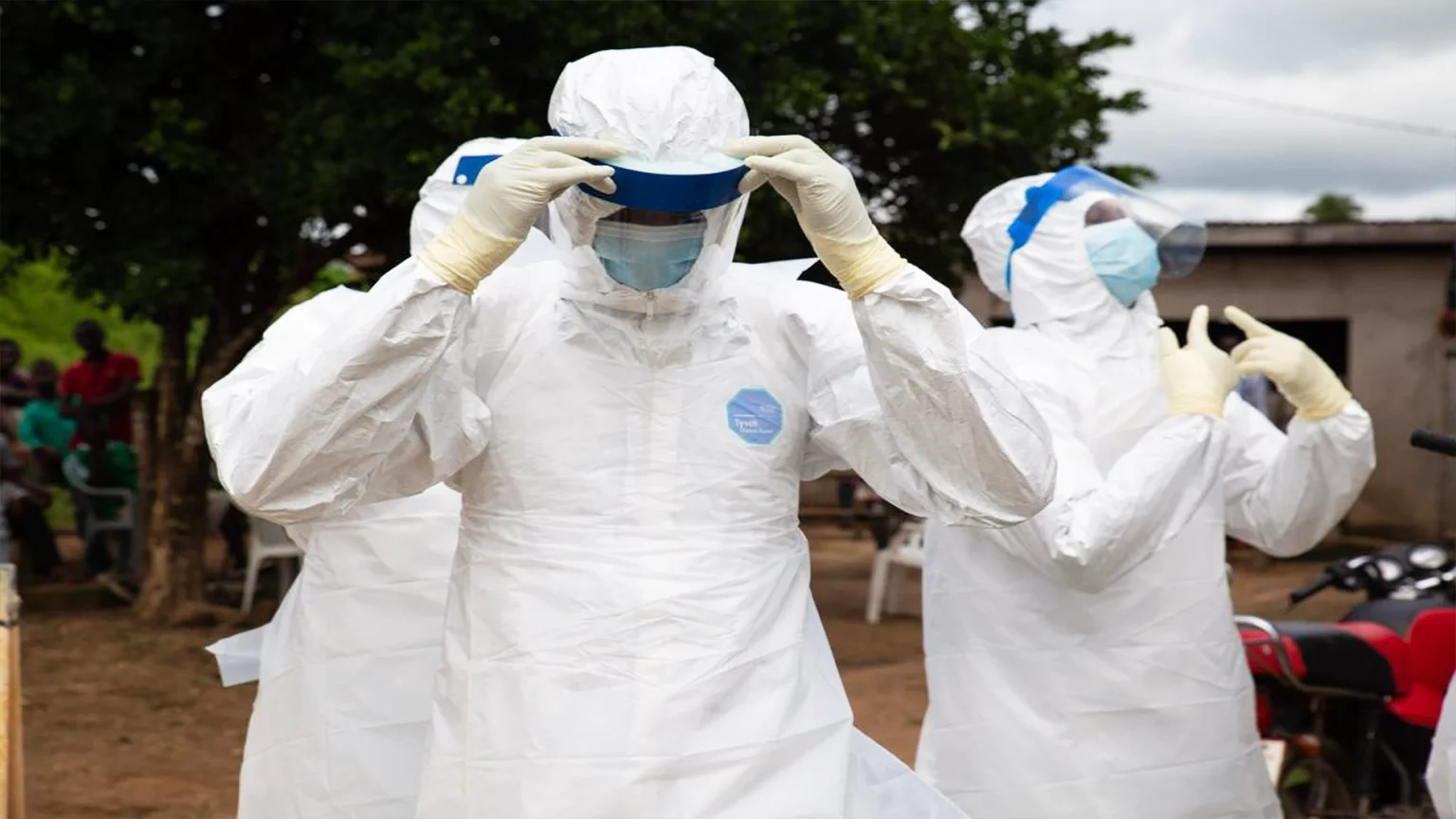
These measures include enhanced surveillance, laboratory testing, contact tracing, improved infection prevention and control in healthcare facilities, and stronger monitoring of suspected cases.
The NCDC has also urged public and private healthcare facilities to maintain a high level of vigilance, promptly identify and isolate suspected cases, and report them to the appropriate public health authorities.
The agency has called on Nigerians identified as contacts to cooperate with monitoring teams and provide accurate information about their movements, possible exposure and any symptoms they experience.
Health officials have emphasised that being identified as a contact does not mean that a person has contracted Ebola. Rather, monitoring enables authorities to detect possible infections early and take appropriate action.
Nigeria’s containment efforts depend on sustained surveillance, effective contact tracing, strict infection prevention measures and timely reporting of suspected infections.
The NCDC has urged citizens to rely on verified information from official health authorities and avoid spreading unconfirmed reports that could create unnecessary fear or stigmatise individuals under monitoring.
For now, the agency’s position is that the evacuation of the index patient does not bring the public health response to an end. Authorities must continue following identified contacts and investigating possible secondary exposures before they can determine that the risk of further transmission has been adequately contained.
Nigeria is not yet out of the woods following its first imported Ebola case, as the NCDC intensifies surveillance, contact tracing and monitoring of potentially exposed individuals.