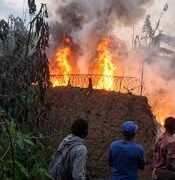

Ekiti Warns Farmers of Possible Heat waves as Strong El Niño Threatens Agricultural Stability.
The Ekiti State Government has urged farmers and other agricultural stakeholders to prepare for possible heat waves, irregular rainfall and changing weather conditions as a strong El Niño phenomenon is expected to influence global climate patterns towards the end of 2026 and into 2027.
The warning comes amid growing concerns about the potential impact of changing weather conditions on agricultural productivity, food security and rural livelihoods across Nigeria.
The Permanent Secretary of the Ekiti State Ministry of Agriculture and Food Security, Dr Ebenezer Babatope Ojo, reportedly issued the advisory, drawing attention to forecasts from the Nigerian Meteorological Agency (NiMet) and international climate monitoring institutions.
El Niño is a naturally occurring climate phenomenon characterized by unusually warm sea-surface temperatures in the central and eastern tropical Pacific Ocean. It influences atmospheric circulation and can alter temperature and rainfall patterns across different parts of the world.
Depending on regional conditions, its effects may include above-average temperatures, prolonged dry spells, irregular rainfall and, in some locations, unusually heavy precipitation.
For farmers in Ekiti State, these changing conditions could create additional challenges, particularly for those whose agricultural activities depend heavily on predictable rainfall.
Potential Impact on Farmers and Food Production
Prolonged periods of excessive heat can increase moisture loss from agricultural soils, stress crops and affect livestock productivity. Irregular rainfall may also disrupt planting schedules, damage young seedlings and reduce harvests.
Smallholder farmers, who often have limited access to irrigation facilities, weather information and climate resilient agricultural technologies, could face greater difficulties adapting to changing conditions.
The concerns are particularly significant for communities that depend on rain fed agriculture as their primary source of income and livelihood.
However, the precise impact of El Niño on Ekiti’s rainfall patterns remains uncertain. Climate experts caution that the phenomenon does not produce identical weather conditions across all regions, making localized forecasts essential for effective agricultural planning.
Government Encourages Early Preparation
The Ekiti State Government’s warning highlights the importance of early preparation, climate awareness and improved agricultural practices in reducing the risks associated with extreme weather conditions.
Farmers are encouraged to pay attention to official weather forecasts, adopt appropriate planting schedules, conserve soil moisture and explore drought-tolerant crop varieties where suitable.
Improved water management, rainwater harvesting, efficient irrigation systems and sustainable farming methods could also help reduce vulnerability to prolonged dry conditions.
Agricultural extension services will remain important in ensuring that farmers, particularly those in rural communities, receive timely and practical information to guide their farming decisions.
Broader Implications for Nigeria’s Food Security
The anticipated El Niño conditions also raise broader questions about Nigeria’s preparedness for climate related agricultural disruptions.
Agriculture remains an important source of employment and livelihood across the country. Consequently, significant disruptions to farming activities could affect food availability, household incomes and market prices.
The experience of previous climate related agricultural disruptions has demonstrated the importance of strengthening early-warning systems, investing in irrigation infrastructure and supporting farmers with climate-smart agricultural technologies.
According to the World Meteorological Organisation, El Niño is among the major natural climate drivers capable of influencing global temperature and precipitation patterns.
For Ekiti State, the immediate priority will be translating climate forecasts into practical guidance that farmers can understand and implement before potentially challenging weather conditions emerge.
As the climate outlook continues to evolve, consistent communication between government agencies, meteorological institutions, agricultural experts and farming communities will be essential.
Early preparation, rather than waiting for extreme weather conditions to occur, could help protect agricultural investments, strengthen rural livelihoods and support the state’s long term food security objectives.