


“Fashola Explains Why He Prefers Private Counsel to Public Criticism of Tinubu Ahead of 2027″
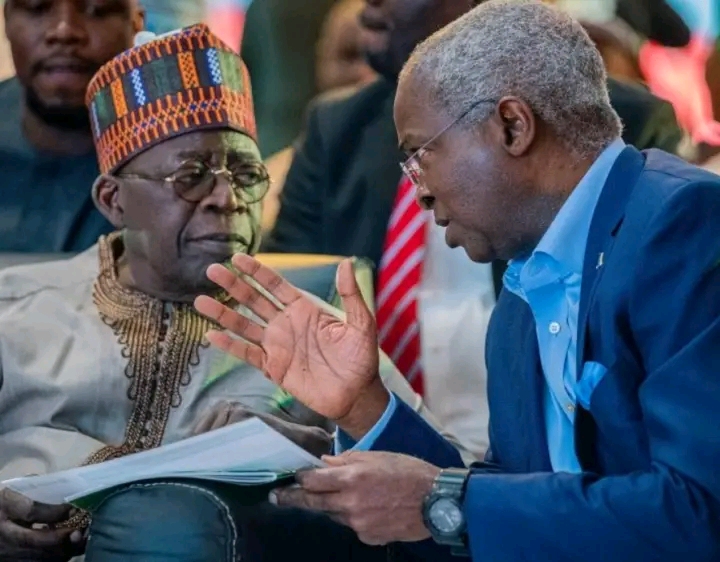
Former Lagos State Governor and ex-Minister of Works, Babatunde Fashola, has explained why he prefers to advise President Bola Ahmed Tinubu privately rather than publicly criticise him on television.
Fashola’s position has drawn attention as Nigeria moves closer to the 2027 general elections and public debate intensifies over the performance of the Tinubu administration and the political alliances shaping the next presidential contest.
According to Fashola, his direct access to the President makes private engagement a more appropriate channel for offering advice or expressing concerns. Rather than using television appearances to publicly criticize Tinubu, he indicated that he would prefer to communicate with the President directly.
The former governor’s comments have renewed interest in the longstanding political relationship between him and Tinubu, who previously served as governor of Lagos State before becoming President of Nigeria. Fashola later succeeded Tinubu as governor and went on to serve in the federal cabinet under former President Muhammadu Buhari.
His remarks also come amid growing political activity ahead of the 2027 elections, with President Tinubu expected to seek a second term and opposition parties working to build alternative political platforms.
Fashola, however, has separately dismissed speculation that he is preparing to contest the presidency in 2027. During a television interview, he said he had no plans to seek the nation’s highest political office, describing his years in public service as a significant privilege.
The former governor’s preference for private counsel has also reignited discussion about the role of political insiders in holding governments accountable. While private advice can allow for more direct and candid conversations, public criticism remains an important part of democratic debate, particularly when issues affect millions of citizens.
President Tinubu has previously urged Nigerians, the media and other democratic stakeholders to criticize and disagree with his administration constructively, stressing that criticism of government should not mean losing faith in Nigeria.
As the 2027 political season gathers momentum, Fashola’s comments are likely to continue fueling debate over political loyalty, private influence, public accountability and the appropriate role of former public officials in assessing the performance of a sitting government.