

“Gazans Face Bleak Eid Amid War, Hunger, and Economic Collaps”
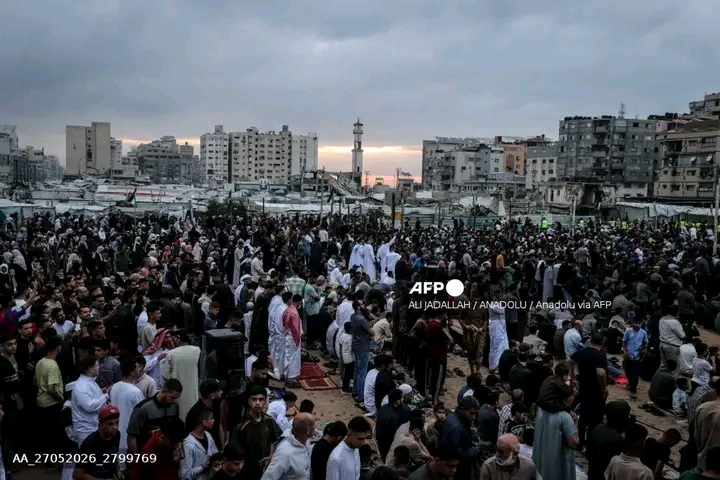
Residents of the Gaza Strip are marking one of the darkest Eid celebrations in recent memory as the ongoing war, worsening humanitarian crisis, and severe economic hardship continue to devastate daily life across the enclave. Families who would traditionally gather for festive meals, prayers, and celebrations are instead struggling with displacement, food shortages, soaring inflation, and grief.
Across Gaza, many markets that once bustled with Eid shoppers remain nearly empty, with residents reporting that essential goods such as flour, sugar, cooking oil, and traditional Eid pastries have either become unaffordable or completely unavailable. The sharp decline in livestock supplies has also made the customary Eid sacrifice increasingly impossible for most families, with prices of sheep and other animals rising far beyond the reach of ordinary citizens.
Humanitarian agencies and international observers say the prolonged conflict has severely damaged Gaza’s economy and infrastructure, worsening poverty levels and deepening food insecurity. Thousands of displaced families are currently sheltering in overcrowded camps and temporary shelters, while humanitarian aid deliveries continue to face major logistical and security challenges.
Many Gazans told international media outlets that this year’s Eid has lost its spirit entirely, with celebrations replaced by fear, uncertainty, and mourning for loved ones killed or displaced during the conflict. Children, often central to Eid festivities, are among the hardest hit, with aid groups warning of growing psychological trauma and deteriorating living conditions.
The crisis has also intensified concerns among regional and international organizations over the long term humanitarian consequences of the war. Calls for ceasefire negotiations, increased humanitarian access, and international diplomatic intervention continue to grow as civilians bear the brunt of the conflict.
Despite the hardship, local communities and humanitarian volunteers across Gaza continue to provide limited relief support where possible, offering food distributions, communal prayers, and emotional support to vulnerable families attempting to endure the difficult holiday period.