


A major international investigation has raised serious concerns about the growing influence of transnational cocaine trafficking networks in Sierra Leone, highlighting allegations that fugitive Dutch drug trafficker Jos Leijdekkers has established a powerful criminal network with connections to influential political and security figures.
The investigation examines how Leijdekkers, one of Europe’s most-wanted cocaine traffickers, allegedly exploited institutional weaknesses, corruption and political connections to expand his operations in the West African country. The findings have intensified concerns about the ability of organised criminal groups to penetrate state institutions and undermine national sovereignty.
Leijdekkers, widely known as Bolle Jos, is a Dutch national convicted in absentia in major drug-trafficking cases. Dutch and Belgian authorities have linked him to extensive cocaine-smuggling operations, making him a significant figure in Europe’s international fight against organised crime.
According to investigative reporting, he established himself in Sierra Leone after leaving Europe, reportedly arriving in late 2022. His presence in the country became a major international concern in early 2025 after images emerged showing him attending a church service alongside Agnes Bio, the daughter of Sierra Leonean President Julius Maada Bio.
The reported relationship has drawn scrutiny because of the potential implications for law enforcement and the investigation of alleged criminal activities. However, personal relationships and public appearances do not, by themselves, establish criminal complicity by members of the president’s family or government officials.
Sierra Leone’s Atlantic coastline and maritime infrastructure have made it a strategically important location in investigations into cocaine trafficking between Latin America, West Africa and Europe.
The country has increasingly featured in international reporting on the movement of cocaine through West African ports, where criminal networks exploit commercial shipping routes, weak oversight and alleged corruption to move illicit consignments towards European markets.
Research by the Organised Crime Index for Africa identifies Sierra Leone as an important logistics and redistribution point for cocaine trafficking in the region. Maritime routes, coastal landing points and container shipments have all featured in documented trafficking cases involving West African countries.
The broader problem extends beyond Sierra Leone. West Africa’s position between cocaine-producing countries in Latin America and lucrative European markets has created opportunities for international criminal organisations to develop complex supply chains across multiple jurisdictions.
One of the most significant developments associated with the wider investigation was the interception of the cargo vessel Arconian by Spanish authorities in 2026.
The Spanish law enforcement officers discovered approximately 30 tonnes of cocaine aboard the vessel after it departed from Freetown. The scale of the seizure highlighted the enormous financial stakes involved in international cocaine trafficking and the importance of maritime routes linking West Africa to Europe.
The seizure also intensified scrutiny of the systems responsible for monitoring cargo movements, enforcing customs regulations and preventing criminal organisations from exploiting commercial shipping infrastructure.
Although the seizure has raised questions about possible connections to trafficking networks operating from Sierra Leone, any direct attribution of the shipment to a particular individual must be supported by evidence from investigators or judicial proceedings. The discovery of a large consignment alone does not establish who organised, financed or controlled it.
The most troubling dimension of the investigation concerns allegations that criminal networks have cultivated relationships with individuals connected to political, security and commercial institutions.
Such relationships, where established, can weaken the effectiveness of law enforcement by creating opportunities to obstruct investigations, obtain sensitive information, evade scrutiny or protect illicit financial flows.
Investigative have also raised concerns about the alleged use of security personnel and influential intermediaries to protect criminal interests. These allegations, if substantiated, would point to a problem extending beyond conventional drug smuggling into the potential corruption of institutions responsible for safeguarding the state.
Nevertheless, allegations against identifiable individuals and institutions require independent verification. Sierra Leone’s government and relevant agencies should be given a clear opportunity to respond to specific claims, while any investigation should distinguish documented evidence from witness allegations and unproven suspicions.
The central question is whether the country’s institutions can investigate suspected criminal networks independently, regardless of the political or financial influence of those involved.
The implications extend across West Africa, where organised crime can exploit differences in border controls, maritime surveillance, financial regulation and judicial cooperation.
Cocaine trafficking generates substantial illicit profits that can finance corruption, intimidation, money laundering and violence. When criminal proceeds penetrate legitimate businesses or public institutions, the damage can spread into the economy, weaken public confidence and compromise the rule of law.
The experience of Sierra Leone also highlights the international dimension of the problem. European demand for cocaine sustains a lucrative market, while trafficking routes depend on networks operating across several countries and continents.
Consequently, effective enforcement requires more than arrests and seizures. Governments must strengthen financial investigations, improve port security, protect witnesses, prosecute corruption and cooperate across borders. European authorities also have a responsibility to investigate trafficking networks operating within their own jurisdictions and disrupt the financial structures that sustain them.
For Sierra Leone, the priority is to ensure that allegations of criminal influence are addressed through credible investigations and transparent legal processes rather than political denials or unsupported accusations.
The investigation into Jos Leijdekkers and the alleged expansion of his network in Sierra Leone illustrates the risks posed when transnational criminal organisations exploit institutional weaknesses and cultivate powerful connections.
Describing Sierra Leone as the world’s first true narco-state is a strong characterisation used in the investigation’s headline, not an established legal classification. Nevertheless, the allegations raise legitimate questions about the relationship between organised crime, public accountability and national security.
The response will require credible investigations, judicial independence, international cooperation and demonstrable accountability for anyone found to have facilitated criminal activity.
Ultimately, the issue is not simply the whereabouts of a fugitive drug trafficker. It is whether Sierra Leone and its international partners can prevent organised crime from acquiring the influence necessary to undermine the institutions on which democratic governance and public security depends.
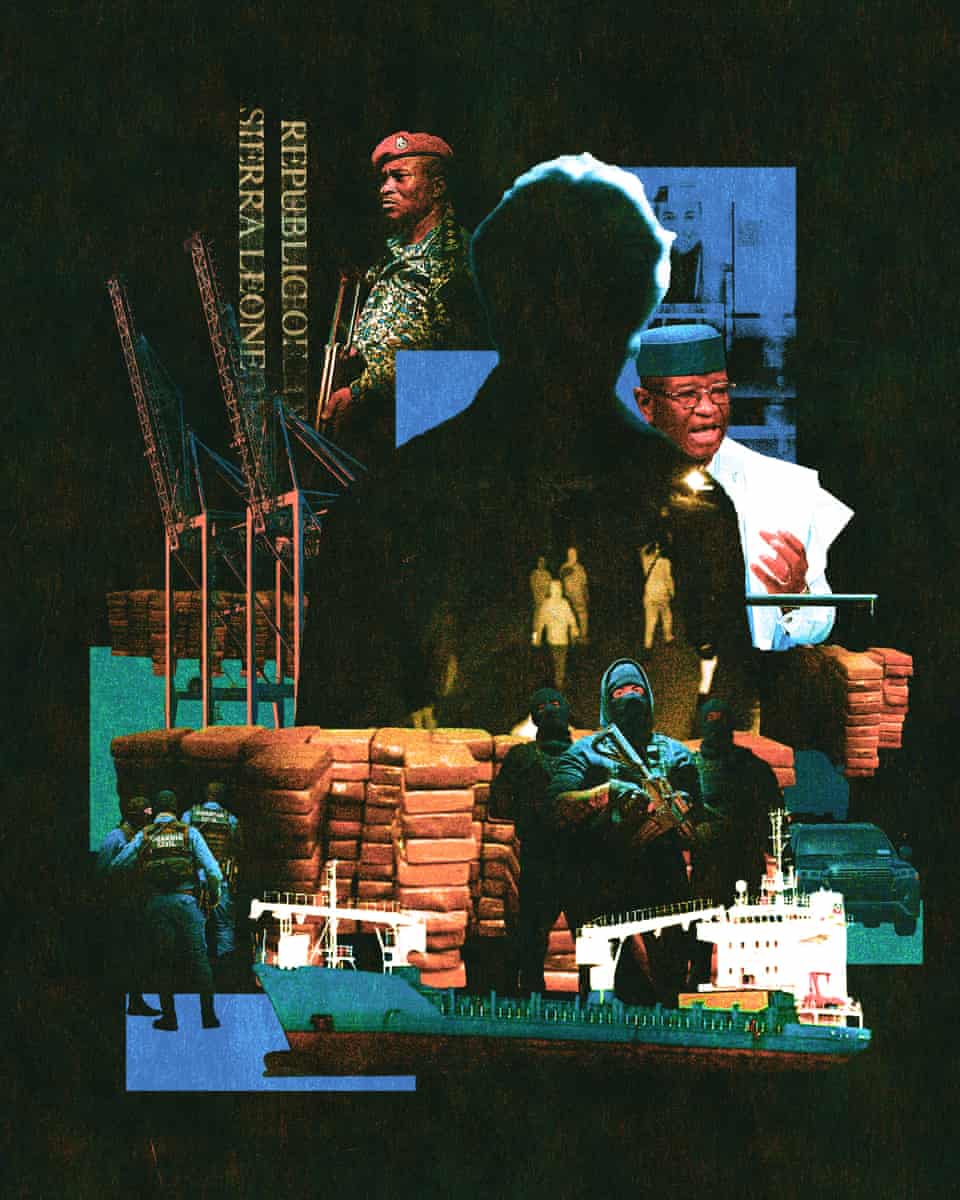
An investigation examines how fugitive Dutch cocaine trafficker Jos Leijdekkers allegedly built a powerful network in Sierra Leone, raising concerns about corruption, maritime security and organised crime in West Africa.