IMF Warns of Recession as Gulf Oil Economies Face Deepening Economic Crisis.
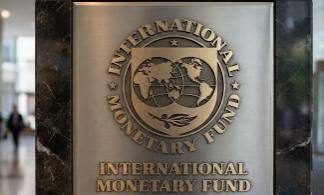
The International Monetary Fund (IMF) has significantly downgraded its economic outlook for the Middle East, North Africa and Pakistan, warning that escalating conflict and disruptions to energy production and international shipping are pushing several oil exporting economies towards recession.
In its latest regional economic assessment released on October 22, 2026, the IMF projected that the region’s economy would contract by 1.3 per cent in 2026, reversing earlier expectations of growth. The Fund attributed the deterioration largely to the ongoing US Israeli led war against Iran, which has disrupted energy supplies, trade, tourism and investor confidence.
According to reporting by Reuters, Gulf Cooperation Council (GCC) economies are among those facing the most significant economic challenges, with countries heavily dependent on oil and gas exports particularly vulnerable to disruptions affecting production facilities and shipping routes.
Oil and Gas Disruptions Deepen Economic Pressure
The conflict has placed considerable pressure on the Gulf’s energy industry, a major source of government revenue and foreign exchange for several countries in the region.
Disruptions around the Strait of Hormuz, a critical maritime corridor for global oil and liquefied natural gas shipments, have restricted energy exports and complicated international trade.
Damage to energy infrastructure and reduced production capacity have further weakened economic activity. Although higher global oil prices can increase revenue for exporting countries, prolonged interruptions to production and exports may outweigh those benefits.
The IMF has also highlighted the wider consequences for non oil sectors, including tourism, transportation, logistics and other businesses affected by rising costs, reduced trade and declining investor confidence.
Several Gulf Economies Face Contraction
The revised outlook points to significant differences in the economic performance of Gulf countries, depending on their exposure to the conflict and their ability to maintain energy production and alternative export routes.
Reuters reported that the IMF expects some of the region’s most exposed economies to experience substantial contractions in 2026, while Saudi Arabia and the United Arab Emirates are also facing weaker prospects than previously anticipated.
The severity of the downturn underscores the risks associated with dependence on hydrocarbon exports, particularly when geopolitical instability affects the infrastructure and transport networks required to deliver energy to international markets.
For governments across the Gulf, the immediate challenge is to limit economic losses while maintaining public spending, financial stability and investor confidence.
Recovery in 2027 Remains Uncertain
Despite the worsening outlook for 2026, the IMF anticipates a significant regional rebound in 2027, provided energy production and international trade gradually recover.
However, the Fund cautions that the recovery remains vulnerable to further escalation of the conflict, renewed attacks on critical infrastructure and prolonged shipping disruptions.
A slower return to normal operations could delay the resumption of exports, increase transportation costs and discourage investment. These developments could also leave economic output below levels previously projected before the conflict.
The IMF has stressed the importance of maintaining macroeconomic stability, protecting vulnerable households and businesses through targeted support, and preserving the capacity to respond to further economic shocks.
Implications for Global Energy Markets and Africa
The economic challenges facing Gulf oil exporters carry implications beyond the Middle East. Disruptions to oil and gas supplies can affect global energy prices, transportation costs, industrial production and inflation.
For African countries, the consequences could vary according to their economic structures. Oil exporting economies may benefit from higher international prices when production and export volumes remain stable. However, countries that rely heavily on imported petroleum products could face increased fuel costs, inflationary pressure and higher transportation expenses.
Even oil-producing African countries may struggle to benefit fully if global supply disruptions coincide with domestic production challenges, limited refining capacity or increased shipping costs.
The situation also highlights the importance of economic diversification, stronger regional trade networks and investment in reliable energy infrastructure. Reducing excessive dependence on a single commodity or export route can help countries withstand external shocks.
Ultimately, the Gulf’s economic outlook will depend significantly on developments in the conflict, the restoration of energy production and the reopening of critical shipping routes. Until these conditions improve, the risk of deeper economic contraction across parts of the region is likely to remain elevated.