


Kano Governor, Rep Abejide Rally Non Indigenes for Tinubu’s 2027 Re Election, Set One Million Vote Target.
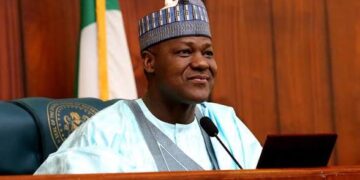
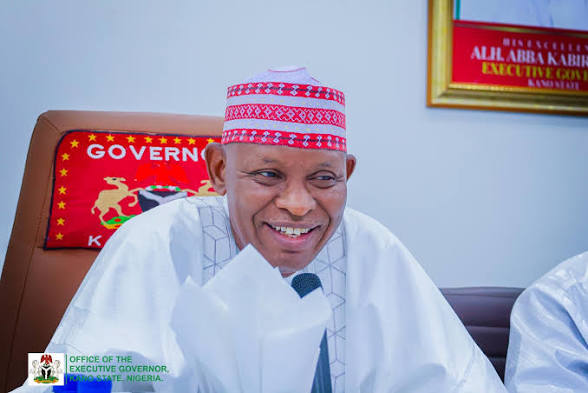
Kano State Governor, Abba Kabir Yusuf, and a member of the House of Representatives, Leke Joseph Abejide, have intensified political mobilisation among non indigenous communities in Kano, targeting at least one million votes for President Bola Ahmed Tinubu and the All Progressives Congress (APC) ahead of the 2027 general elections.
The mobilisation took place during an empowerment programme organized by Abejide, who represents Yagba West, Yagba East and Mopamuro Federal Constituency of Kogi State. The event brought together political stakeholders, traditional representatives and members of Yoruba, Igala, Ebira, Bassa and other non-indigenous communities residing in Kano.
According to news reports on Sunday, November 1, 2026, the programme also featured the announcement of a N500 million business empowerment initiative for Yoruba women in Kano. Abejide said the intervention was part of his commitment to supporting communities that have contributed to his personal and business development over the years.
The lawmaker, who disclosed that he had lived in Kano for more than three decades, described the state as his second home. He also distributed food items, clothing and other household materials to beneficiaries from different ethnic communities.
Abejide urged beneficiaries and other non-indigenous residents to support Tinubu, Governor Yusuf and other APC candidates in the forthcoming elections. He also indicated plans to extend future empowerment interventions to other communities, including Hausa and Fulani residents in Nasarawa Local Government Area.
Governor Yusuf Calls for Political Inclusion
Governor Abba Kabir Yusuf reaffirmed his administration’s commitment to accommodating residents from different ethnic and religious backgrounds, regardless of their states of origin.
He urged members of the National Assembly to emulate Abejide by extending empowerment opportunities beyond their immediate constituencies and supporting Nigerians across ethnic and religious boundaries.
The governor maintained that peaceful coexistence, inclusion and equal opportunities were essential to strengthening Kano’s development and social stability.
His remarks also highlighted the political importance of non indigenous communities, particularly their participation in the state’s electoral and economic activities.
Yahaya Bello Backs Tinubu and Yusuf’s Re Election
Former Kogi State Governor Yahaya Bello also attended the programme and expressed support for the re election ambitions of President Tinubu and Governor Yusuf.
Bello argued that federal infrastructure projects attracted to Kano, alongside development initiatives undertaken by the state government, provided reasons for residents to support the two political leaders.
His participation further underscored efforts by APC aligned political figures to consolidate support among different ethnic communities ahead of the 2027 elections.
N3 Billion Yoruba Palace Project Unveiled
Another major highlight of the gathering was the launch of a N3 billion fundraising initiative for the construction of an ultra modern palace for the Oba of Yoruba in Kano.
Abejide reportedly contributed N220 million towards the project, while two of his associates pledged N200 million and N500 million, respectively. The Kano State Government also announced a N100 million contribution.
The initiative adds a traditional and community development dimension to the political gathering, bringing together ethnic representation, philanthropy and electoral mobilisation.
Political Significance Ahead of 2027
Kano remains one of Nigeria’s most influential electoral states because of its substantial voting population and historical importance in presidential election outcomes.
The growing attention given to non indigenous communities reflects the strategic calculations of political parties seeking to expand their support bases beyond traditional ethnic and regional strongholds.
However, the one million vote target remains a political mobilisation ambition rather than a guaranteed electoral outcome. Its achievement will depend on voter registration, turnout, political persuasion and the willingness of eligible residents to support the candidates.
As the 2027 general elections draw closer, the extent to which political parties translate community engagement, empowerment programmes and campaign promises into measurable voter support will remain an important test of their electoral strength.