



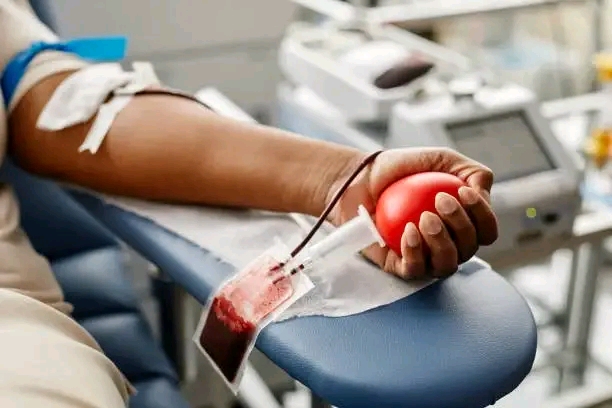
“Nigeria Intensifies Call for Voluntary Blood Donation as Government Seeks to Strengthen National Blood Supply”
The Federal Government of Nigeria has renewed its appeal to citizens across the country to embrace voluntary blood donation, emphasizing its critical role in saving lives and strengthening the nation’s healthcare system.
The call was made through the National Orientation Agency (NOA), which highlighted the urgent need for a steady and safe blood supply to support emergency medical interventions, surgeries, maternal healthcare, accident victims, and patients living with life-threatening conditions.
According to the agency, voluntary blood donation remains one of the most effective ways to ensure that hospitals and healthcare facilities have adequate blood reserves available when emergencies arise. The government stressed that many preventable deaths can be avoided if sufficient blood is readily accessible for patients in need.
The NOA noted that voluntary donors contribute significantly to national health security, particularly during periods of increased demand caused by road accidents, childbirth complications, disease outbreaks, and other medical emergencies. Health experts have consistently maintained that blood cannot be manufactured artificially, making human donation indispensable to modern healthcare delivery.
The agency further encouraged healthy and eligible Nigerians to participate in regular blood donation drives organized by health institutions and accredited blood banks nationwide. Officials emphasized that donating blood is generally safe, medically supervised, and beneficial to society, while helping to save multiple lives from a single donation.
Public health advocates have long argued that increasing voluntary blood donation rates is essential for reducing dependence on family replacement donors and emergency appeals, which often delay access to lifesaving treatment. The renewed campaign aligns with broader efforts to improve healthcare outcomes and promote a culture of civic responsibility among Nigerians.
Medical stakeholders continue to call for greater public awareness, community engagement, and partnerships between government agencies, healthcare providers, educational institutions, and civil society organizations to expand the country’s pool of voluntary blood donors.
As Nigeria works to strengthen its healthcare infrastructure, authorities maintain that regular voluntary blood donation remains a simple yet powerful act capable of making a profound difference in countless lives across the nation.