

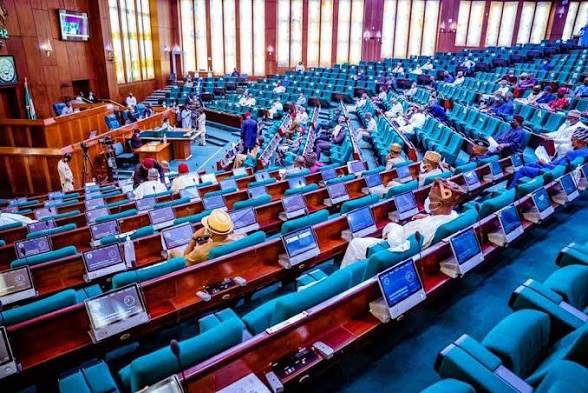
Nigeria’s House of Representatives Demands Emergency Action Against Fake Drugs, Unsafe Food and Counterfeit Beverages.
Nigeria’s House of Representatives has called on the Federal Government to intensify the fight against counterfeit and substandard medicines, adulterated food and unsafe beverages, warning that the proliferation of such products poses a serious threat to public health and consumer safety.
The lawmakers made the call during plenary on Tuesday, October 20, following the adoption of a motion of urgent public importance sponsored by Abubakar Yalleman, who represents Madori/Kaugama Federal Constituency of Jigawa State.
According to news reports the House urged the government to treat the production, distribution and sale of fake and substandard consumer products as an urgent national concern requiring stronger regulatory oversight and sustained enforcement.
Lawmakers Demand Stronger Regulatory Enforcement
The House called on the National Agency for Food and Drug Administration and Control (NAFDAC), the Standards Organisation of Nigeria (SON) and the Federal Competition and Consumer Protection Commission (FCCPC) to strengthen surveillance, inspections, product sampling, laboratory testing and enforcement operations nationwide.
The lawmakers also urged the agencies to collaborate with security organisations, including the Nigeria Police Force and the Nigeria Customs Service, as well as state governments and other relevant institutions, to identify and prosecute individuals and businesses involved in the manufacture and distribution of dangerous products.
The resolution reflects growing concerns about the availability of counterfeit goods in Nigerian markets, where unsuspecting consumers may purchase products that have been falsely labelled, improperly manufactured or produced without the necessary regulatory approvals.
Counterfeit Products Pose Serious Public Health Risks
During the proceedings, Yalleman expressed concern about the activities of manufacturers and distributors who allegedly counterfeit established brands, alter product labels and expiry dates, use inferior or contaminated raw materials, and illegally refill containers.
Such practices can expose consumers to potentially harmful substances and increase the risk of food borne illnesses, poisoning and other health complications.
Substandard medicines present an additional danger because they may contain incorrect ingredients, inadequate quantities of active pharmaceutical substances or contaminants. These products can undermine treatment, worsen existing illnesses and contribute to antimicrobial resistance when medicines, particularly antibiotics, are improperly formulated or used.
The circulation of counterfeit products also threatens consumer confidence and places legitimate manufacturers at a disadvantage by allowing unscrupulous operators to compete through unlawful practices.
Recent Enforcement Operations Highlight the Challenge
Reports cited during the House proceedings included regulatory and security operations targeting suspected illegal production facilities.
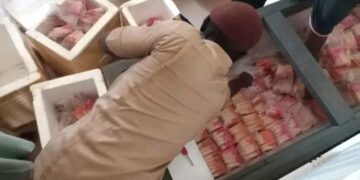
One incident involved a raid by the Nigeria Security and Civil Defence Corps on an illegal, unregistered fruit juice factory in Badagry, Lagos State, on September 22, 2026.
The lawmakers also referenced an operation by NAFDAC against suspected illegal alcohol counterfeiting activities at Zamfara Plaza on Lagos Island on April 22, 2026.
These incidents illustrate the enforcement challenges facing authorities as they attempt to prevent the production and circulation of unregistered, adulterated and substandard food and beverages.
However, sustained action will require more than occasional raids. Effective regulation depends on consistent inspections, reliable laboratory testing, traceable supply chains, public awareness and the prosecution of offenders in accordance with the law.
House Committees to Examine Regulatory Measures
The House also called on relevant legislative committees, particularly those responsible for health, industry, customs, standards and consumer protection, to engage the regulatory agencies and other stakeholders to assess the scale of the problem.
The proposed engagement is expected to examine the effectiveness of existing enforcement measures and identify areas requiring stronger oversight.
The outcome could help lawmakers evaluate whether existing regulatory arrangements adequately address the production and distribution of counterfeit goods, including products entering Nigeria through informal markets and complex supply chains.
For consumers, stronger enforcement could improve access to safe medicines, food and beverages while helping legitimate businesses operate in a market where compliance with established standards is essential.
What the Call Means for Nigerians
Nigeria’s fight against counterfeit medicines and unsafe consumer products remains a significant public health and economic concern.
While NAFDAC and other regulatory bodies have enforcement responsibilities, the effectiveness of their work depends on adequate resources, inter-agency cooperation, intelligence gathering and consistent application of the law.
Consumers also have a role to play by purchasing medicines from authorized outlets, checking product registration details where applicable and reporting suspected counterfeit products to the relevant authorities.
The House’s latest resolution places renewed pressure on the Federal Government and regulatory agencies to move beyond warnings and strengthen measures that protect Nigerians from potentially dangerous products.
Ultimately, the impact of the lawmakers’ intervention will depend on the implementation of their recommendations, the consistency of enforcement and the accountability of manufacturers and distributors operating within Nigeria’s food, beverage and pharmaceutical sectors.