Nigeria’s growing voter register has renewed hopes for broader democratic participation ahead of the 2027 general elections, but persistent voter apathy, declining public trust and concerns over electoral credibility continue to raise questions about whether the increase will translate into higher turnout at the polls.
The Independent National Electoral Commission (INEC) has confirmed that Nigeria’s National Register of Voters has increased to 103,428,715 following the completion of its three-phase Continuous Voter Registration (CVR) exercise and a final biometric verification process.
According to INEC, the registration exercise, conducted between August 2025 and July 2026, recorded 10,772,421 new registrants. The latest figure represents an increase of approximately 10.7% from the 93,469,008 registered voters recorded ahead of the 2023 general elections.
Despite this expansion, electoral observers and commentators have expressed concerns about the persistent gap between voter registration and actual participation in elections.
Nigeria’s electoral history highlights the challenge facing election administrators. Voter turnout has declined across successive general election cycles since 2011, reaching approximately 26.7% in the 2023 presidential election.
The trend suggests that expanding the voter register alone may not be sufficient to strengthen democratic participation. Issues surrounding public confidence, electoral transparency, political accountability and the credibility of the voting process remain important considerations as preparations for the 2027 elections continue.
INEC Chairman, Professor Joash Amupitan, has identified voter apathy, declining public trust, and the spread of misinformation and disinformation as significant threats to the forthcoming elections.
Speaking during a stakeholders’ engagement in September, Amupitan stressed the importance of strengthening electoral administration and addressing factors that could undermine public confidence in the democratic process.
The registration process itself has encountered operational difficulties. Reports published during the final phase of the CVR exercise documented complaints about network failures, prolonged queues and technical disruptions in several locations.
The difficulties forced some prospective voters to make repeated visits to registration centres, while others reportedly abandoned the process after experiencing delays.
Such challenges highlight the importance of accessible registration services and efficient electoral administration in ensuring that eligible citizens can exercise their constitutional rights without unnecessary obstacles.
Beyond registration, concerns about electoral integrity and the reliability of voter records remain relevant. INEC has previously acknowledged the need to address duplicate registrations, deceased persons on the register and incomplete or inaccurate voter information.
The commission’s biometric verification and register-cleaning processes are intended to improve the accuracy of voter records and strengthen confidence in the electoral system.
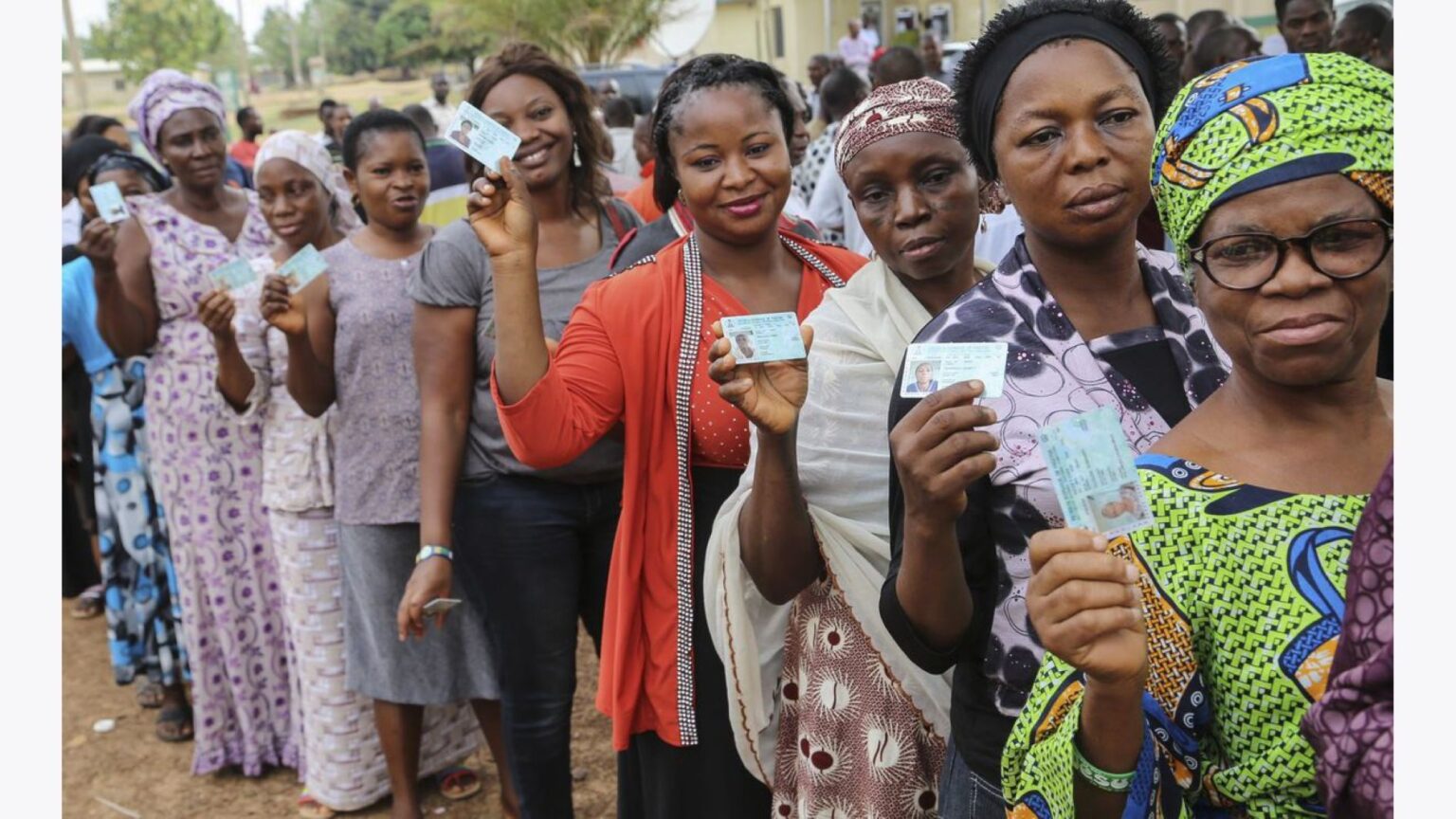
As preparations for the 2027 general elections advance, obtaining a Permanent Voter Card (PVC) and confirming registration details remain essential steps for eligible voters.
INEC announced that nationwide PVC collection would commence on October 9, 2026, while the public display of the voter register would allow registered citizens to inspect their details and raise claims or objections where necessary.
The commission has also introduced printable PVC technology as part of efforts to reduce waiting times and simplify card replacement procedures.
These measures will require effective public communication to ensure that eligible voters understand where and how to collect their cards, verify their information and resolve discrepancies before election day.
The central question ahead of 2027 is whether Nigeria can convert its expanding electorate into meaningful participation at the ballot box.
While the growing register indicates that millions of additional citizens have entered the electoral system, actual turnout will depend on several factors, including voters’ confidence in election administration, the accessibility of polling units, security conditions and the perceived responsiveness of political leaders to citizens’ concerns.
Political parties, civil society organisations, the media and election administrators all have roles to play in providing accurate information, encouraging lawful participation and promoting peaceful electoral competition.
For INEC, the challenge extends beyond maintaining an accurate register. The commission must also demonstrate operational preparedness, communicate clearly with the public and administer elections in a manner that reinforces confidence in the electoral process.
As Nigeria approaches another general election cycle, the difference between a large electorate and an actively participating electorate could prove decisive for the strength of its democratic institutions.
Obaland Magazine’s Perspective: Nigeria’s 103-million-strong voter register represents a significant expansion of the country’s electoral base, but registration figures should not be mistaken for evidence of stronger democratic participation. The credibility of the 2027 elections will depend not only on how many citizens are registered, but also on whether they can participate freely, safely and confidently in choosing their leaders.
Nigeria’s voter register has surpassed 103 million ahead of the 2027 elections, but voter apathy, declining public trust and electoral challenges threaten turnout.